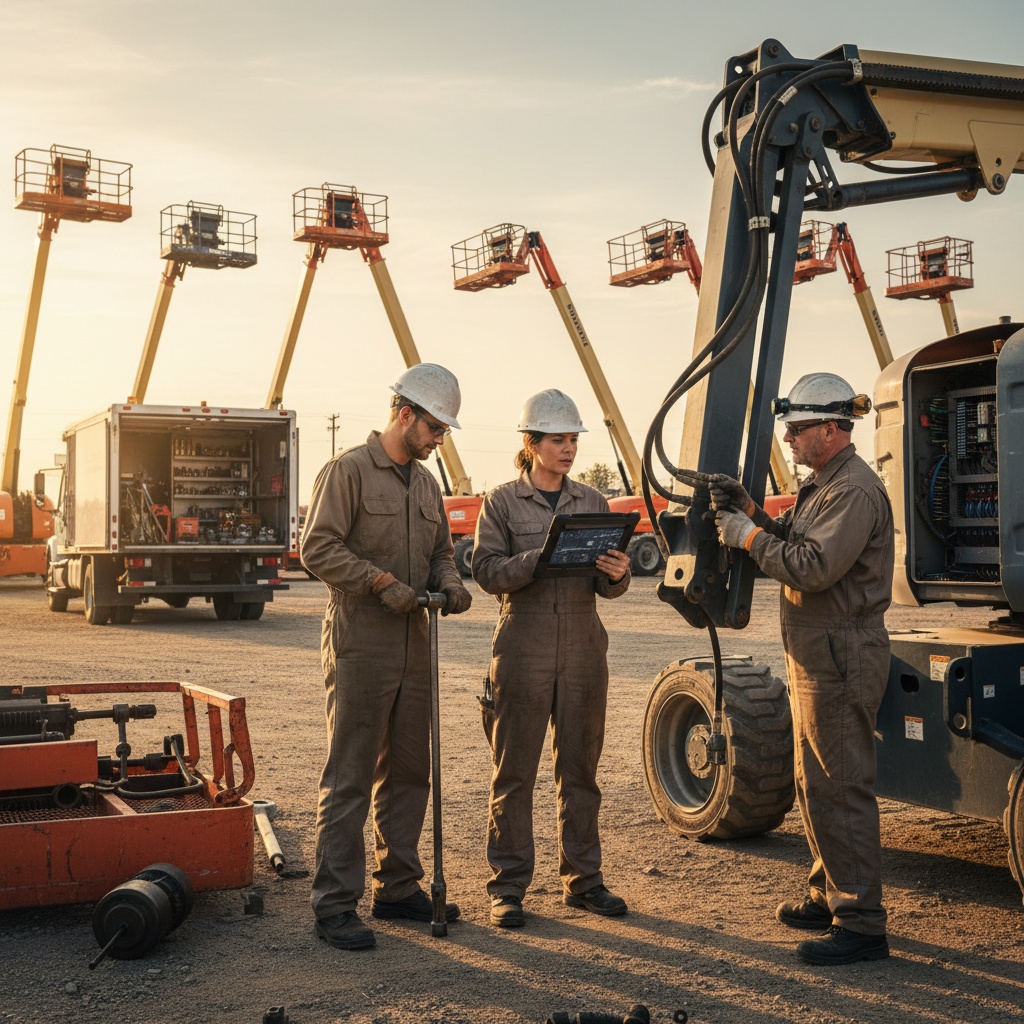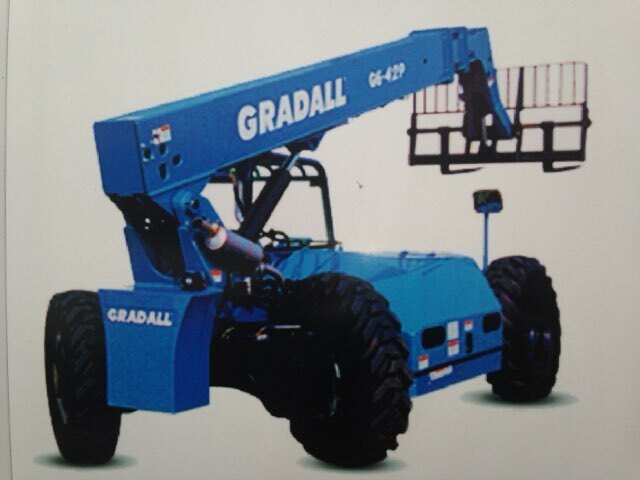
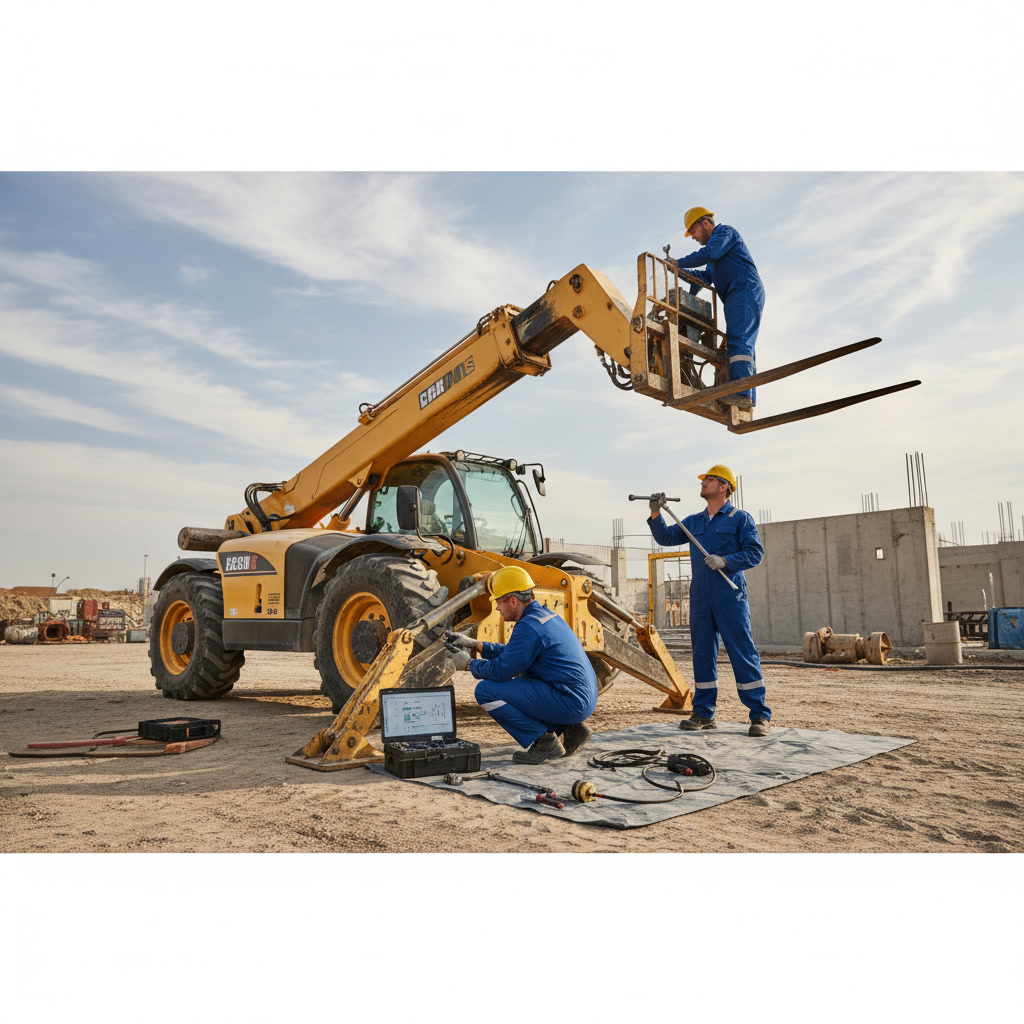
A telehandler inspection is a comprehensive safety evaluation required annually by OSHA and ANSI standards to verify that the equipment operates safely and meets manufacturer specifications. During the inspection, a certified technician examines hydraulic systems, structural components, load charts, safety devices, and operational controls. This process typically takes two to four hours depending on the machine’s condition and identifies any repairs needed before the equipment can be legally operated on job sites.
Why Annual Inspections Are Legally Required
Federal regulations mandate annual inspections for all material handling equipment, including telehandlers, to protect workers and prevent accidents. OSHA standard 1910.178 requires that powered industrial trucks receive thorough examinations at least once per year by a qualified technician. ANSI B56.6 standards add specific requirements for rough terrain variable reach trucks, which covers most telehandlers used in construction and industrial environments.
Failing to complete these inspections can result in significant fines, insurance claim denials, and liability exposure if an accident occurs. Beyond legal compliance, annual inspections catch wear patterns and developing problems before they cause downtime or safety incidents. Many equipment failures that seem sudden actually develop over months and would have been detected during a proper inspection cycle.
Understanding the Inspection Checklist
The annual inspection follows a detailed checklist that covers every system on the machine. Unlike daily operator checks that focus on obvious problems, the annual exam includes measurements, pressure tests, and component disassembly to verify internal conditions. Technicians document findings with photos and measurements to create a compliance record for your safety files.
The inspection checklist typically includes 75 to 100 individual points depending on the telehandler model and attachments. Each item receives a pass, fail, or advisory rating. Advisory items are components showing wear that will need attention in the next six to 12 months but do not prevent current operation. Failed items must be repaired before the machine can receive certification.
Hydraulic System Examination
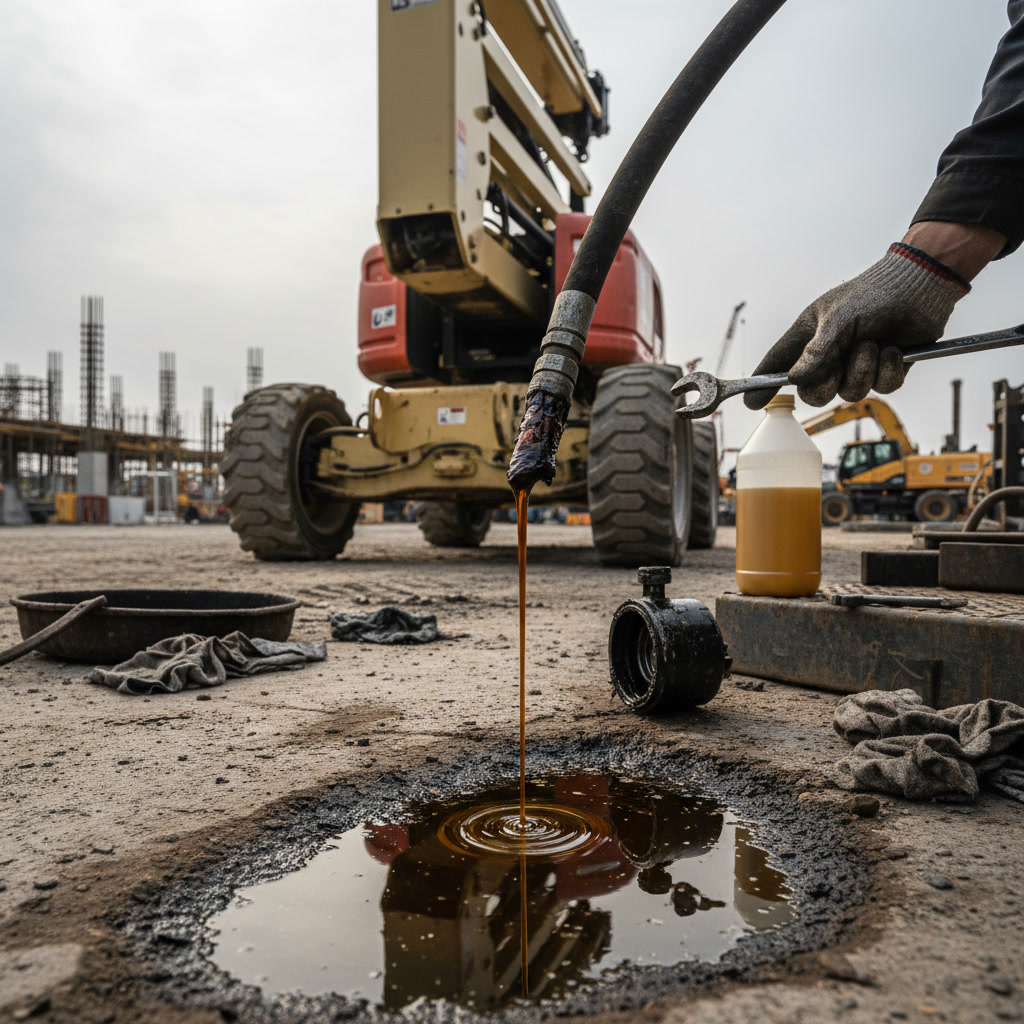
Hydraulic components receive intense scrutiny during annual inspections because failures in this system can cause sudden boom drops or uncontrolled movements. The technician inspects every hydraulic hose for age, abrasion, and proximity to heat sources or moving parts. ANSI standards require replacing any hose showing outer cover damage that exposes the reinforcement layer, regardless of whether it currently leaks.
Cylinder rod surfaces are examined for scoring, pitting, or chrome flaking that could damage seals. Even minor rod damage allows internal leakage that reduces lift capacity and control precision. Technicians also measure system pressure at multiple test ports to verify that pumps, relief valves, and control valves maintain manufacturer specifications. Pressure variations of more than 10 percent from spec indicate internal wear requiring repair.
Structural and Frame Inspection in Southern California
The telehandler frame and boom structure undergo visual and physical examination for cracks, welds, and deformation. Technicians use dye penetrant or magnetic particle testing on high-stress areas like boom pivot points and carriage attachment welds. These non-destructive testing methods reveal hairline cracks invisible to the naked eye that could propagate into catastrophic failures.
Southern California job sites often involve uneven terrain and maximum reach operations that stress frames more than warehouse use. Inspectors pay special attention to torque tube housings, stabilizer mounts, and frame cross members where dust and moisture can hide developing cracks. Any crack in a structural member typically requires immediate removal from service and engineering evaluation before repairs.
Load Chart Verification and Capacity Testing
The inspection includes verification that load charts are present, legible, and match the current configuration. If attachments or tire sizes have changed since manufacture, new load charts may be required. Technicians verify that load moment indicators and alarms function correctly at 90 percent and 100 percent of rated capacity.
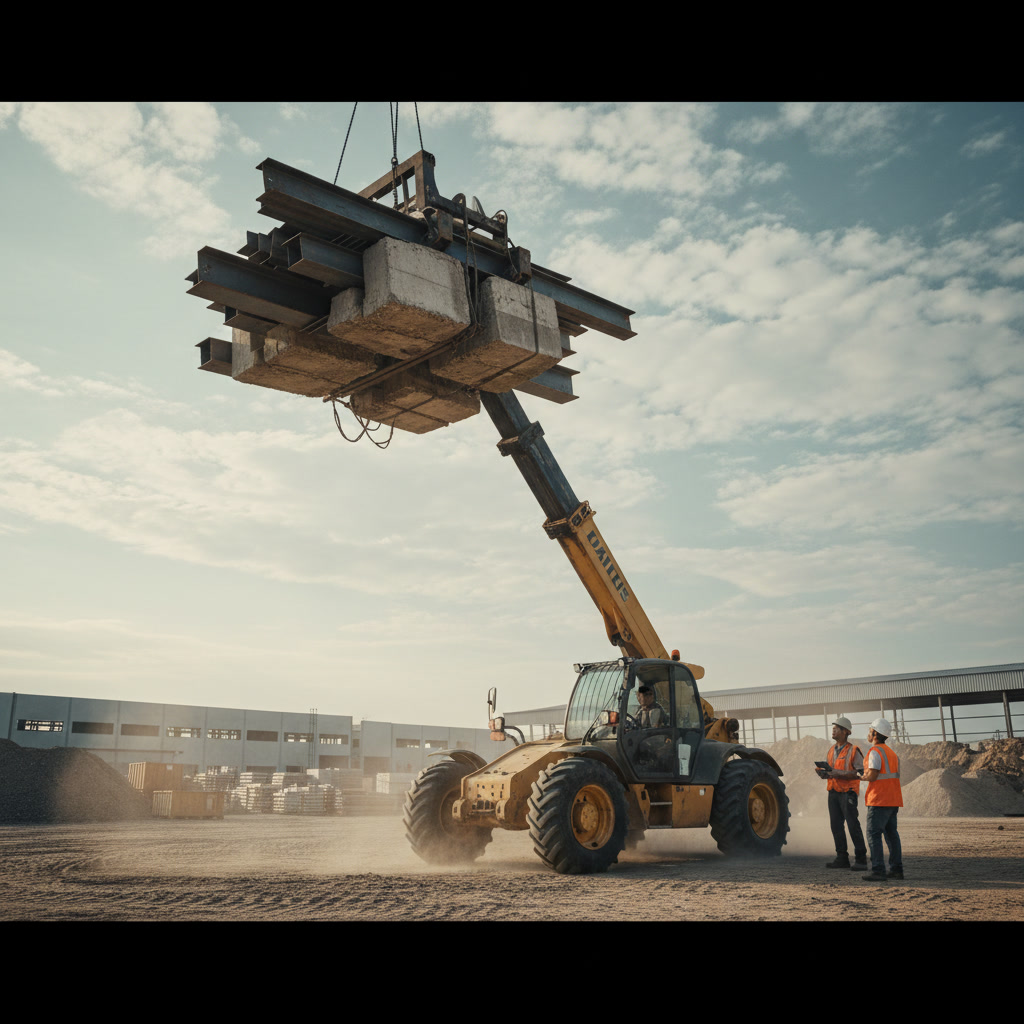
For machines showing signs of heavy use or previous overloading, inspectors may perform a capacity test using calibrated weights. This test verifies that the machine can safely handle its rated load at maximum extension without structural deflection beyond manufacturer limits. The test also confirms that safety systems activate at appropriate thresholds. Overloaded telehandlers often show permanent boom deflection or cracked welds that may not be obvious without measurement against original specifications.
Step-by-Step Control and Safety Device Testing
Every control function receives individual testing to verify proper operation and response speed. The inspection process follows this sequence:
- Dead man seat switch verification that all functions stop when the operator leaves the seat
- Boom extension and retraction at various angles to check for binding or irregular movement
- Tilt function testing through full range of motion in both directions
- Carriage leveling system calibration and response testing
- Steering response at full left and right lock positions
- Brake holding capacity on a measured grade
- Park brake function and adjustment verification
- Horn, backup alarm, and warning light operation
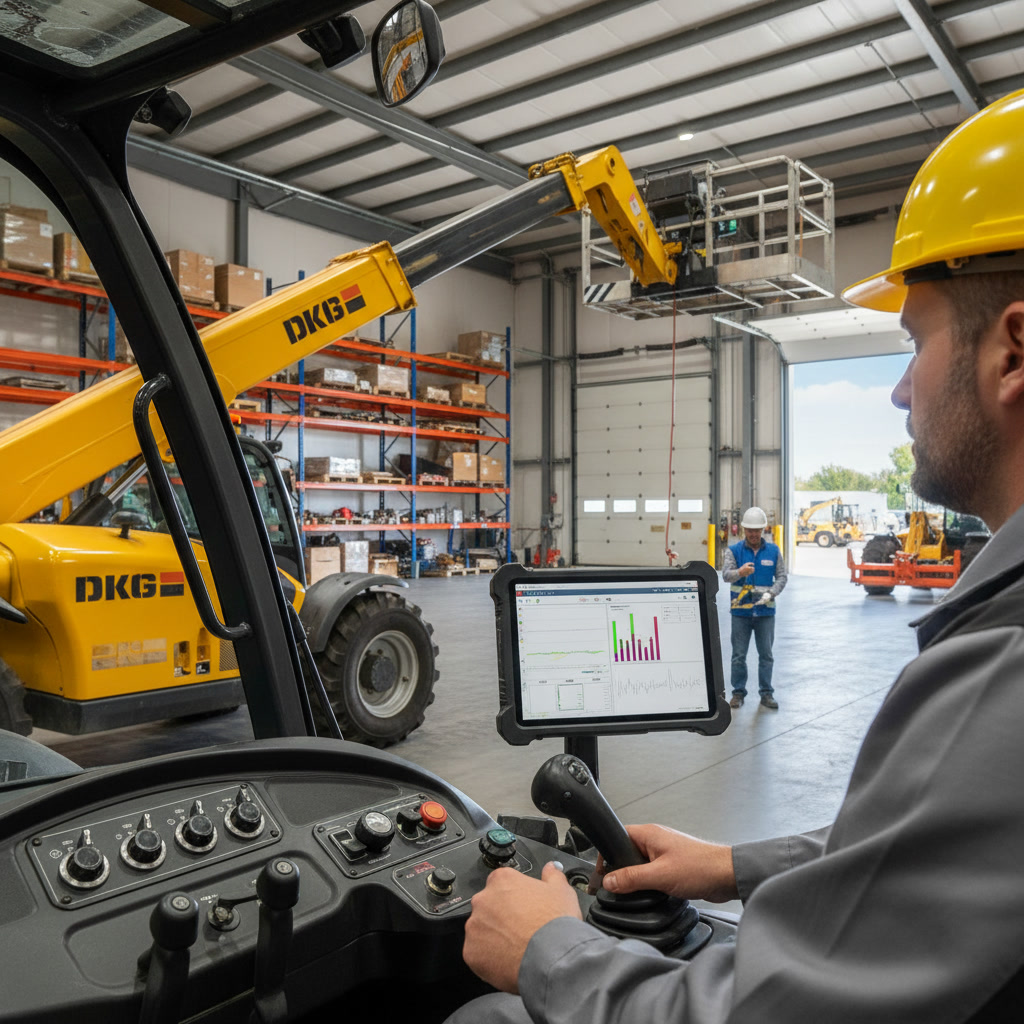
Each control must respond smoothly without delays, jerking, or drift after release. Control drift is particularly dangerous because it indicates internal valve wear that allows unintended movement. A boom that drifts down even one inch per minute poses serious hazard to workers below and requires immediate valve repair or replacement.
Electrical System and Safety Light Review
The electrical inspection covers battery condition, charging system output, starter operation, and all lighting circuits. Technicians measure battery voltage under load and check electrolyte levels or cell balance on conventional batteries. Corroded terminals or damaged cables create resistance that prevents reliable starting and can cause electrical fires.
All safety lighting must function correctly, including travel lights, work lights, beacons, and the backup alarm. Inspectors verify that the light bar or beacon activates automatically when the boom exceeds a specified angle, warning nearby workers of overhead operations. Many accidents occur because warning systems were disconnected or malfunctioning, making this a critical inspection point.
Tire Condition and Wheel Fastener Torque
Tire inspection goes beyond checking tread depth to include sidewall condition, proper inflation, and evidence of rim damage. Telehandler tires operate under extreme loads and side forces that cause unique wear patterns. Inspectors look for chunking, sidewall bulges, exposed cords, and weather checking that indicate replacement time.
Wheel fasteners receive torque verification with a calibrated wrench. Loose wheel bolts allow movement between the rim and hub that elongates bolt holes and can lead to wheel separation. Properly torqued fasteners prevent this movement and ensure even load distribution. Technicians also check for cracks radiating from bolt holes in the rim, which indicate previous over-torquing or impact damage.
Documentation and Certification Process
Upon completion, the technician provides a detailed inspection report listing all findings, measurements, and recommendations. Machines that pass receive a certification tag or sticker with the inspection date and next due date. This tag must remain visible on the equipment and serves as proof of compliance during OSHA inspections or insurance audits.
The report should include photos of any advisory or failed items so you can track deterioration over time. Comparing annual inspection reports reveals patterns like accelerating hydraulic wear or recurring electrical problems that may indicate operating practice issues or environmental factors. Many companies choose on-site field service for these inspections to minimize equipment downtime and transportation costs.
Common Failures Found During Inspections
Experienced technicians consistently find certain problems during annual inspections. Hydraulic hoses aged beyond manufacturer recommendations top the list, particularly suction hoses that collapse internally without obvious external signs. Boom extension chains also frequently fail inspection due to stretched links, worn sprockets, or inadequate lubrication.
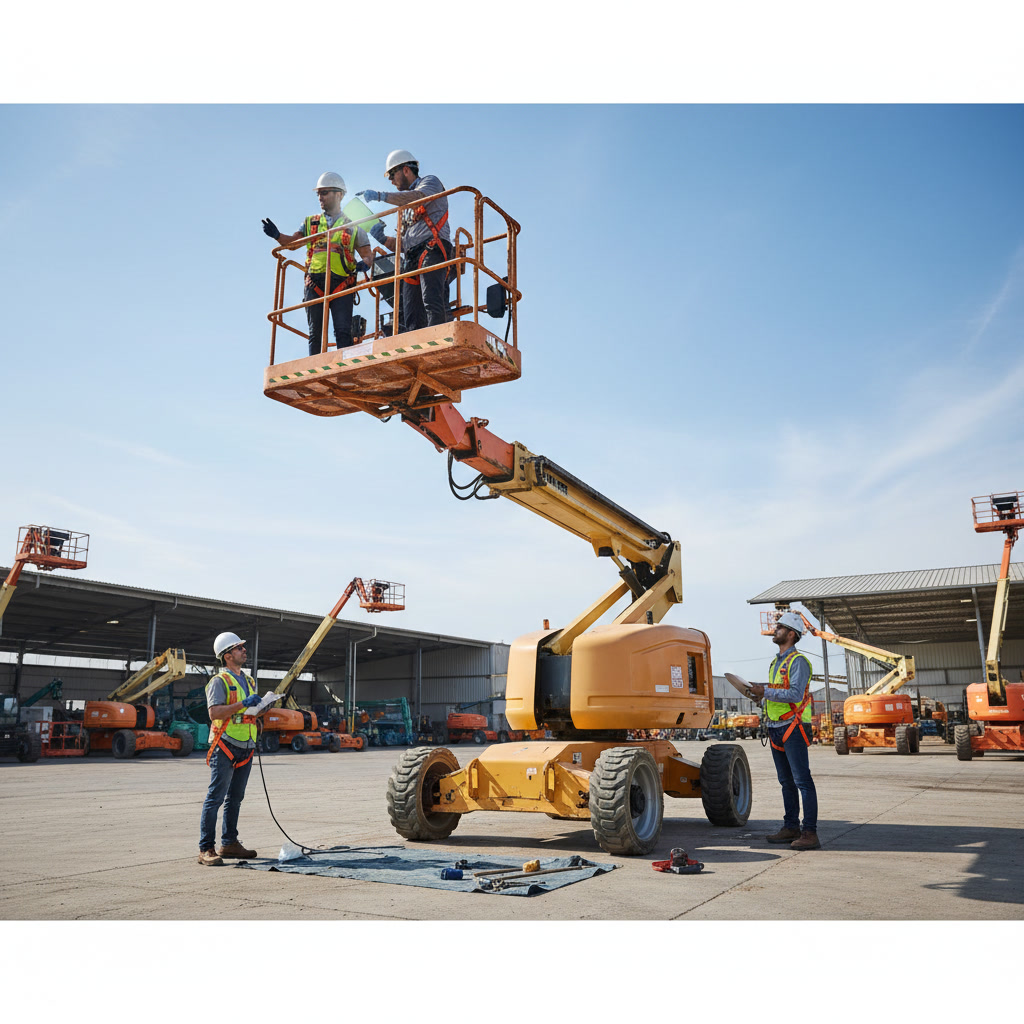
Load moment indicator calibration drift is another common issue, especially on machines operating in extreme temperatures or high-vibration applications. These systems use pressure sensors and angle measurements that drift out of calibration over time. A miscalibrated system may allow dangerous overloads or trigger false alarms that operators learn to ignore. Similar inspection protocols apply to other aerial equipment, as outlined in guidance for scissor lift repairs and boom lift maintenance.
Keeping Your Fleet Compliant and Productive
Annual inspections represent a small investment compared to accident costs, regulatory fines, or unplanned equipment failures. Scheduling inspections during slower work periods minimizes operational impact. Addressing advisory items before they become failures prevents emergency repairs that cost more and take longer than planned maintenance.
Maintaining detailed inspection records also supports resale value by documenting proper care and compliance. Equipment with complete inspection histories commands higher prices and sells faster than machines with gaps in documentation. Beyond compliance, these inspections extend equipment life by catching problems early and verifying that all systems operate within design parameters.
Kns Equipment Services Corp specializes in comprehensive annual safety inspections for telehandlers and aerial equipment throughout Southern California and Central California. Our owner-operated approach ensures that every inspection receives experienced attention to detail and thorough documentation. Whether you need certification for a single machine or fleet-wide inspection scheduling, our mobile service brings certified technicians to your location. Contact us at +15622925718 to schedule your annual inspections and keep your equipment compliant and productive.