Man lift hydraulic fluid powers the lifting mechanism that makes your equipment functional. When hydraulic fluid degrades or runs low, your man lift can experience sluggish performance, safety hazards, and eventual system failure. Recognizing the early warning signs of hydraulic problems saves you from costly downtime and dangerous equipment malfunctions. Regular monitoring and timely service keep your aerial equipment operating safely and efficiently on every jobsite.
Why Hydraulic Fluid Matters for Aerial Equipment
Hydraulic systems transfer power through pressurized fluid to lift platforms, extend booms, and control movement. The fluid serves three critical functions: transmitting force, lubricating moving parts, and cooling the system during operation. When hydraulic fluid breaks down or becomes contaminated, it loses its ability to perform these functions effectively.
Most man lifts operate at pressures between 2,000 and 3,500 PSI. At these pressures, even minor fluid issues create cascading problems. Contaminated fluid accelerates wear on pumps, cylinders, and seals. Low fluid levels cause the system to overheat and create air pockets that make controls unpredictable. Understanding these relationships helps you spot problems before they become emergencies.
Slow or Jerky Lift Movement
One of the earliest signs of hydraulic trouble is a noticeable change in how your man lift moves. If the platform rises more slowly than usual or moves in jerky, uneven motions, the hydraulic system is struggling. Fresh hydraulic fluid provides smooth, consistent power transfer. As fluid ages or becomes contaminated with water or metal particles, it loses viscosity and compressibility.
Temperature affects this symptom significantly. If your man lift operates normally when cold but develops jerky movement after warming up, heat is breaking down the fluid. This pattern indicates the fluid has exceeded its useful life and needs replacement. Ignoring this warning often leads to complete hydraulic failure during critical operations.
Unusual Noises During Operation
Hydraulic systems should run relatively quietly with a consistent hum from the pump. New or unusual sounds indicate problems that require immediate attention. A whining or grinding noise from the pump typically means the system is cavitating, which happens when air enters the hydraulic lines or fluid levels drop too low.
Banging or knocking sounds during lift movement suggest pressure spikes caused by contaminated fluid or worn components. Metal particles in aged fluid act like sandpaper on precision parts, creating gaps that allow pressure surges. These sounds often appear first thing in the morning before the fluid warms up, then diminish as the system heats. That pattern confirms fluid viscosity issues rather than mechanical damage.
Visible Fluid Leaks and Stains
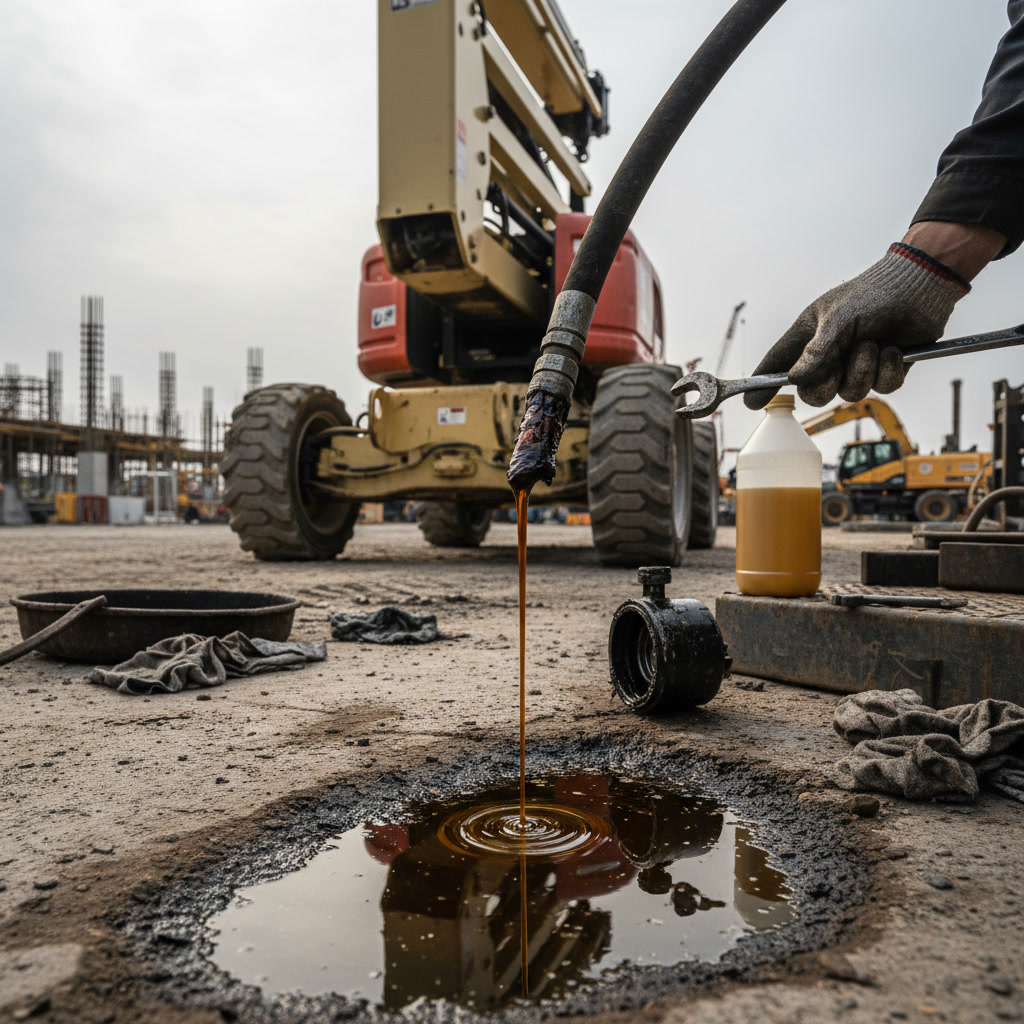
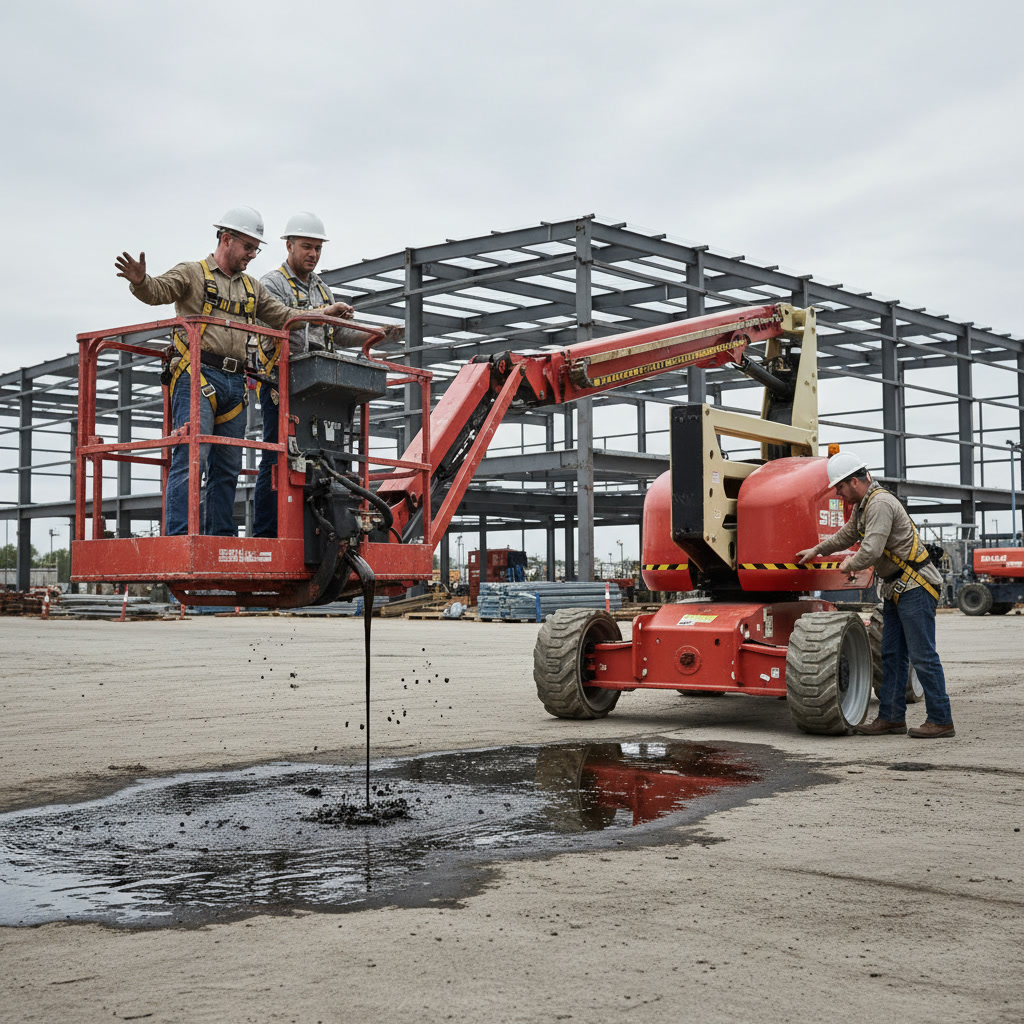
Hydraulic fluid leaks are obvious red flags that demand immediate investigation. Check around cylinder rods, hose connections, and the base of your equipment daily. Fresh hydraulic fluid appears amber or light brown. If you see dark brown or black fluid pooling beneath your lift, the fluid has oxidized and broken down chemically.
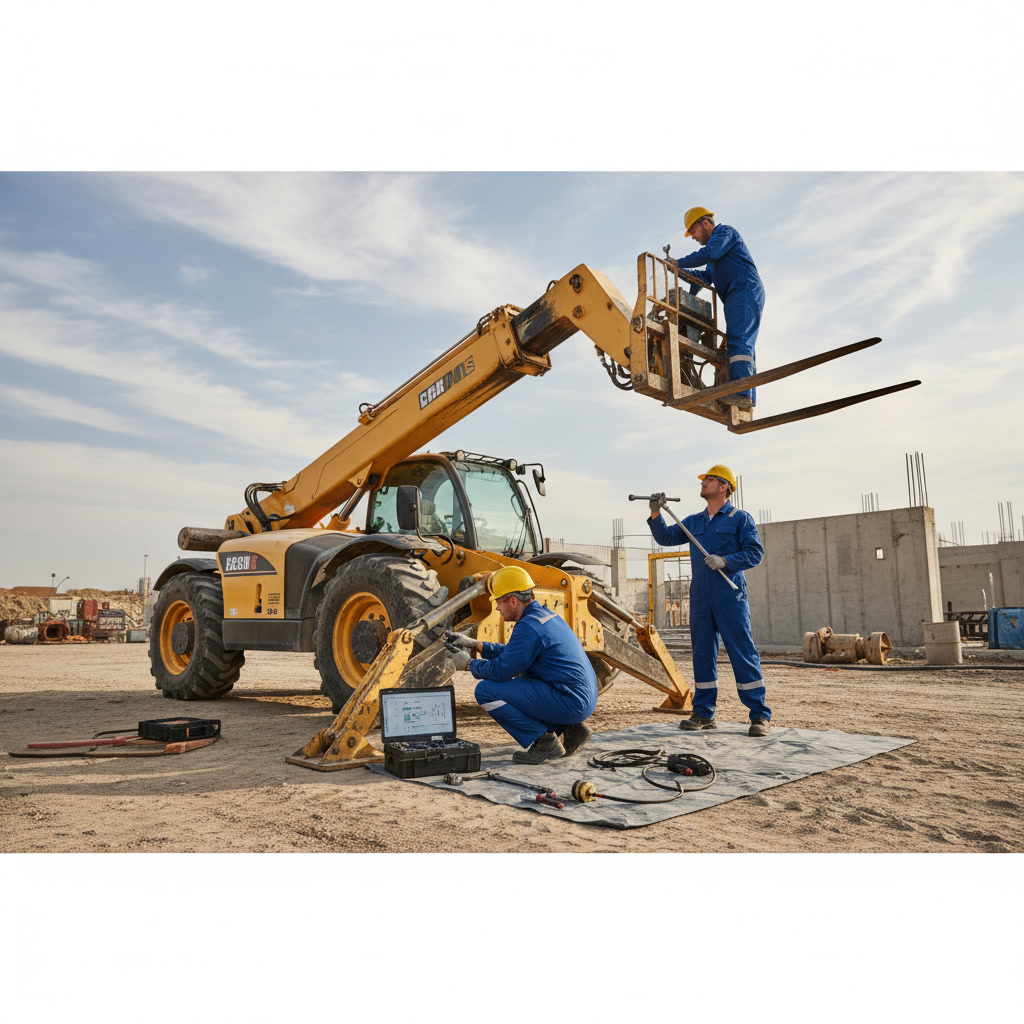
Small leaks rarely stay small. Hydraulic seals deteriorate faster once fluid starts seeping past them. A drip today becomes a stream tomorrow. Even minor leaks contaminate the remaining fluid with dirt and moisture from the environment. Many operators rely on on site field service and repairs to address leaks immediately before they worsen and damage expensive components.
Milky or Discolored Hydraulic Fluid
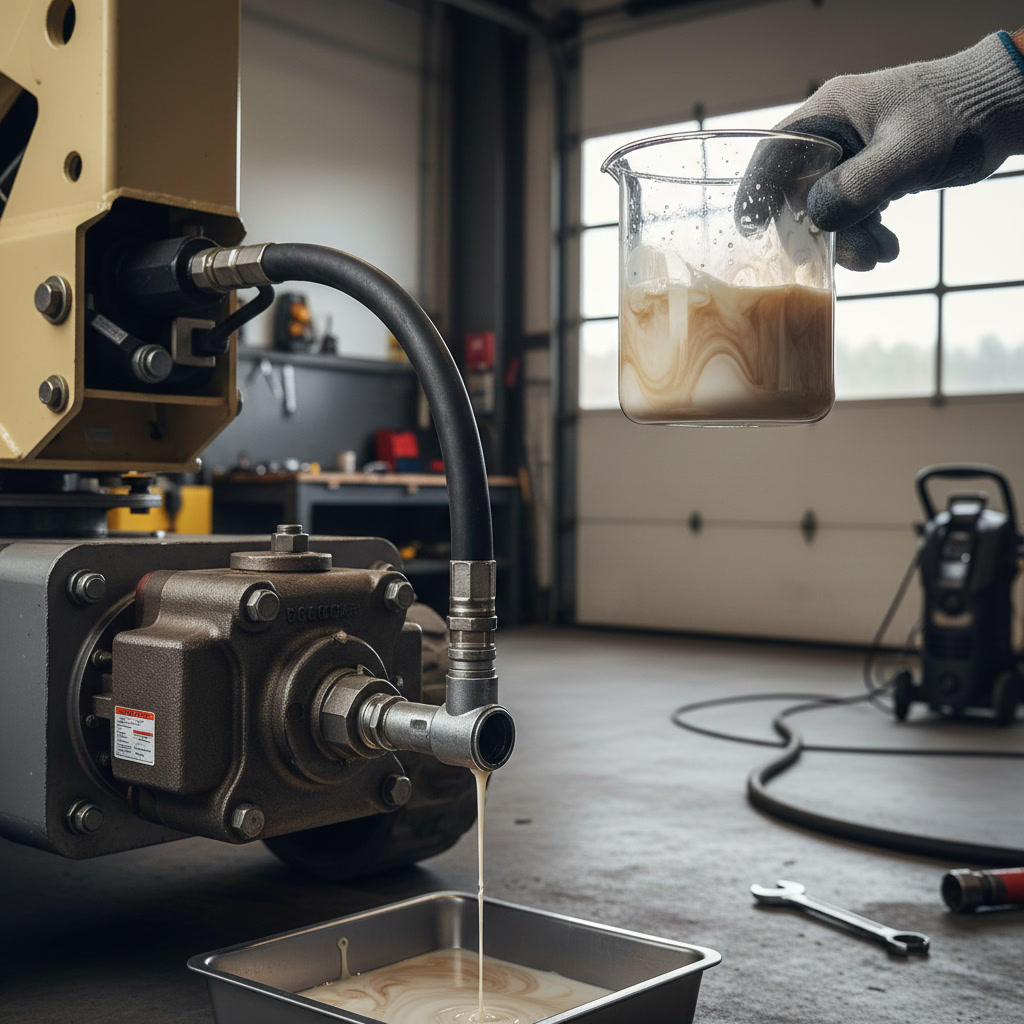
Checking your hydraulic fluid color provides critical diagnostic information. Pull the dipstick or check the sight glass regularly. Clean hydraulic fluid should be clear and amber colored. If the fluid appears milky, cloudy, or has a foamy texture, water has contaminated the system.
Water enters hydraulic systems through condensation in the reservoir, damaged seals, or environmental exposure. Just 0.5% water contamination reduces the fluid’s lubricating ability by 80%. Water causes rust formation inside cylinders and valves, creating abrasive particles that accelerate wear throughout the system. Dark or black fluid indicates oxidation from heat and age. Either condition requires complete fluid replacement rather than simply topping off the reservoir.
Increased Operating Temperature in Southern California Conditions
Hydraulic systems generate heat during normal operation, but excessive temperature indicates problems. Most man lift hydraulic systems operate between 120 and 140 degrees Fahrenheit. If your equipment runs hotter than 180 degrees, the cooling capacity has failed.
Operating in Southern California’s warm climate puts additional stress on hydraulic systems. Ambient temperatures above 90 degrees reduce the cooling differential between the fluid and surrounding air. Degraded fluid loses its heat transfer properties, creating a dangerous cycle where heat breaks down the fluid faster, which generates more heat. Installing temperature gauges on critical equipment helps you catch this problem before it damages pumps and motors.
Erratic or Unresponsive Controls
Precise control is essential for safe man lift operation. If controls become sluggish, delayed, or unresponsive, hydraulic pressure is fluctuating. This symptom often appears intermittently at first. The platform may respond normally most of the time but occasionally hesitate or drift after you release the controls.
Air in the hydraulic lines causes spongy, unpredictable control response. Air compresses under pressure while hydraulic fluid does not. When air bubbles travel through the system, they compress and expand, creating delays between your control input and the lift’s response. This makes precise positioning difficult and creates serious safety risks. The problem typically stems from low fluid levels that allow the pump to draw air into the system.
Five Key Inspection Points for Hydraulic Health
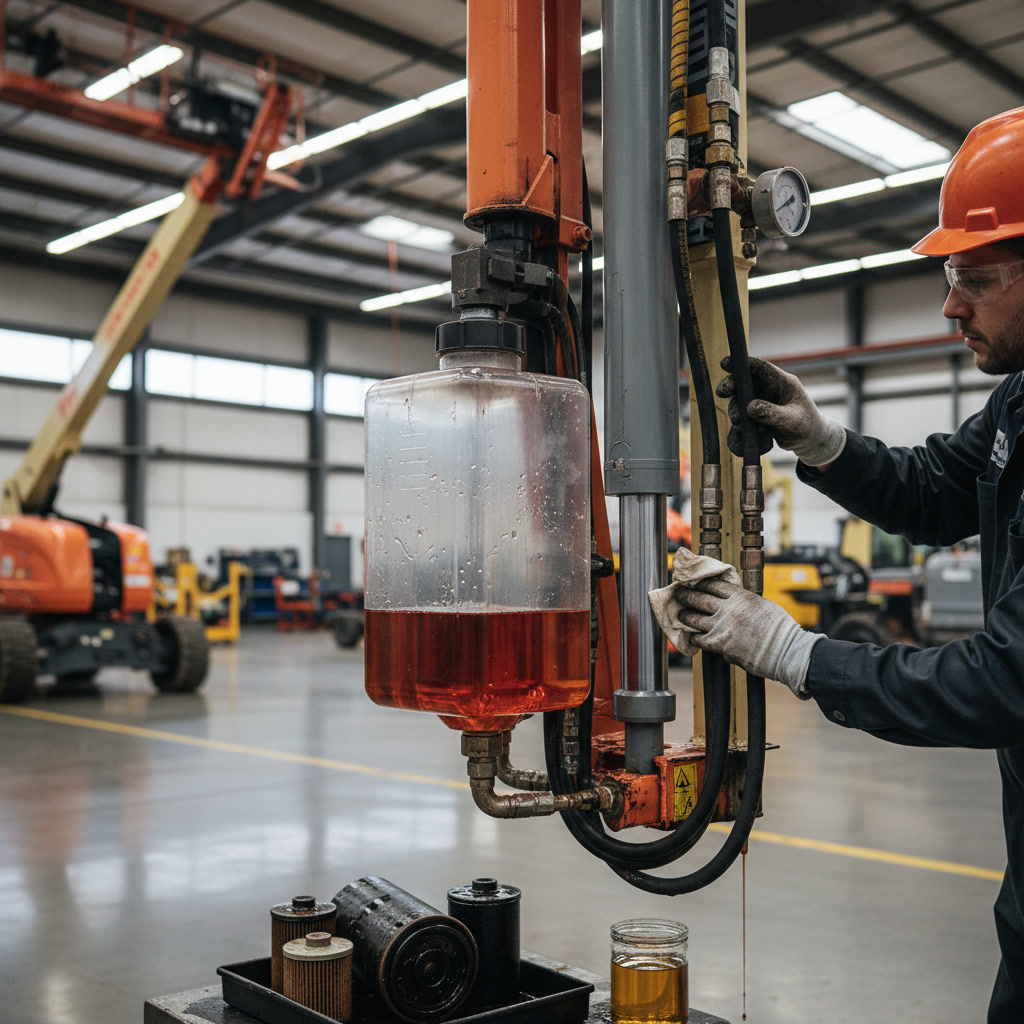
Regular inspections catch hydraulic problems early. Check these five points weekly to monitor system health:
- Fluid level: Check the reservoir when the platform is fully lowered and the system is cool. Fluid should read between the minimum and maximum marks.
- Fluid appearance: Look for discoloration, cloudiness, or foam. Sample the fluid from the reservoir, not just the sight glass.
- Seal condition: Inspect all cylinder rods for wetness or fluid residue. Even slight dampness indicates early seal wear.
- Hose integrity: Check hydraulic hoses for cracks, abrasion, or soft spots. Replace hoses showing any damage before they burst.
- Filter condition: Monitor the filter indicator if equipped. Replace filters according to the manufacturer’s schedule, typically every 1,000 operating hours.
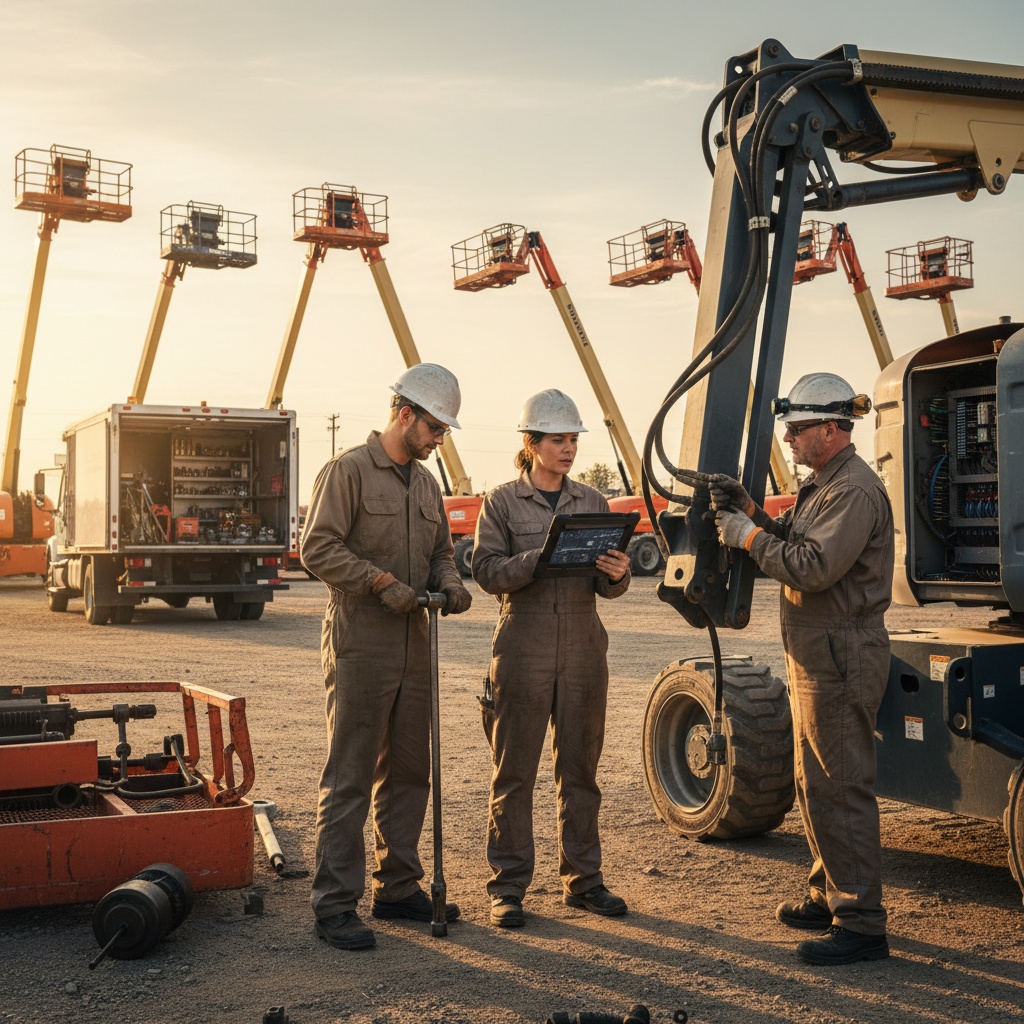
These simple checks take less than ten minutes but prevent the majority of hydraulic failures. Many warehouse and construction operations incorporate these inspections into their daily equipment startup procedures alongside similar checks they perform during equipment safety inspections.
How Contamination Enters Hydraulic Systems
Understanding contamination sources helps you prevent fluid problems. Dirt enters through damaged seals, loose filler caps, and breather vents. Every time a cylinder extends, it exposes the rod to environmental contaminants. When the cylinder retracts, the rod wiper seal should scrape off debris, but worn seals allow particles past the barrier.
Internal contamination comes from component wear. Metal particles from pumps, valves, and cylinders circulate through the system, acting as abrasives that accelerate additional wear. This creates a degradation cycle where contamination causes wear, which generates more contamination. Filters catch most particles, but once filters saturate, contaminants bypass and circulate freely. Regular filter changes break this cycle before it damages expensive components.
When to Service Versus Replace Hydraulic Fluid
Not every hydraulic issue requires complete fluid replacement. If fluid levels are low but the fluid appears clean and amber colored, topping off the reservoir may suffice. However, you must identify and repair the cause of fluid loss first. Adding fluid to a leaking system wastes money and delays necessary repairs.
Complete fluid replacement becomes necessary when the fluid is contaminated, discolored, or has exceeded its service life. Most manufacturers recommend complete hydraulic fluid changes every 1,000 to 2,000 operating hours or annually, whichever comes first. High-use equipment in dusty environments needs more frequent service. Professional service includes flushing the system, replacing filters, and inspecting all components for wear. This comprehensive approach, similar to what happens during professional equipment service visits, catches problems before they cause failures.
Preventing Future Hydraulic Problems
Proactive maintenance extends hydraulic system life and prevents unexpected breakdowns. Store equipment in covered areas when possible to minimize temperature extremes and moisture exposure. Keep reservoir caps tight and breather filters clean. Wipe down cylinder rods before retracting them to prevent dirt from entering the seals.
Use only the hydraulic fluid type specified by your equipment manufacturer. Different fluids have different additives, viscosities, and temperature ranges. Mixing incompatible fluids causes chemical reactions that degrade both fluids and damage seals. Keep detailed service records showing fluid type, change dates, and any repairs. These records help technicians diagnose problems quickly and prove compliance during safety inspections.
Keeping Your Equipment Running Safely
Hydraulic fluid problems rarely announce themselves with dramatic failures. Instead, they develop gradually through small signs that are easy to overlook until a breakdown stops your operation. Monitoring fluid condition, catching leaks early, and following the manufacturer’s service schedule prevents the majority of hydraulic failures. Clean, properly maintained hydraulic fluid keeps your aerial equipment operating safely and reliably for years.
Kns Equipment Services Corp specializes in hydraulic system service and repairs for man lifts, boom lifts, and other aerial equipment. Whether you need routine fluid service or emergency repairs, professional technicians diagnose hydraulic problems accurately and restore your equipment to safe operation. Contact us at +15622925718 to schedule service for your aerial equipment.