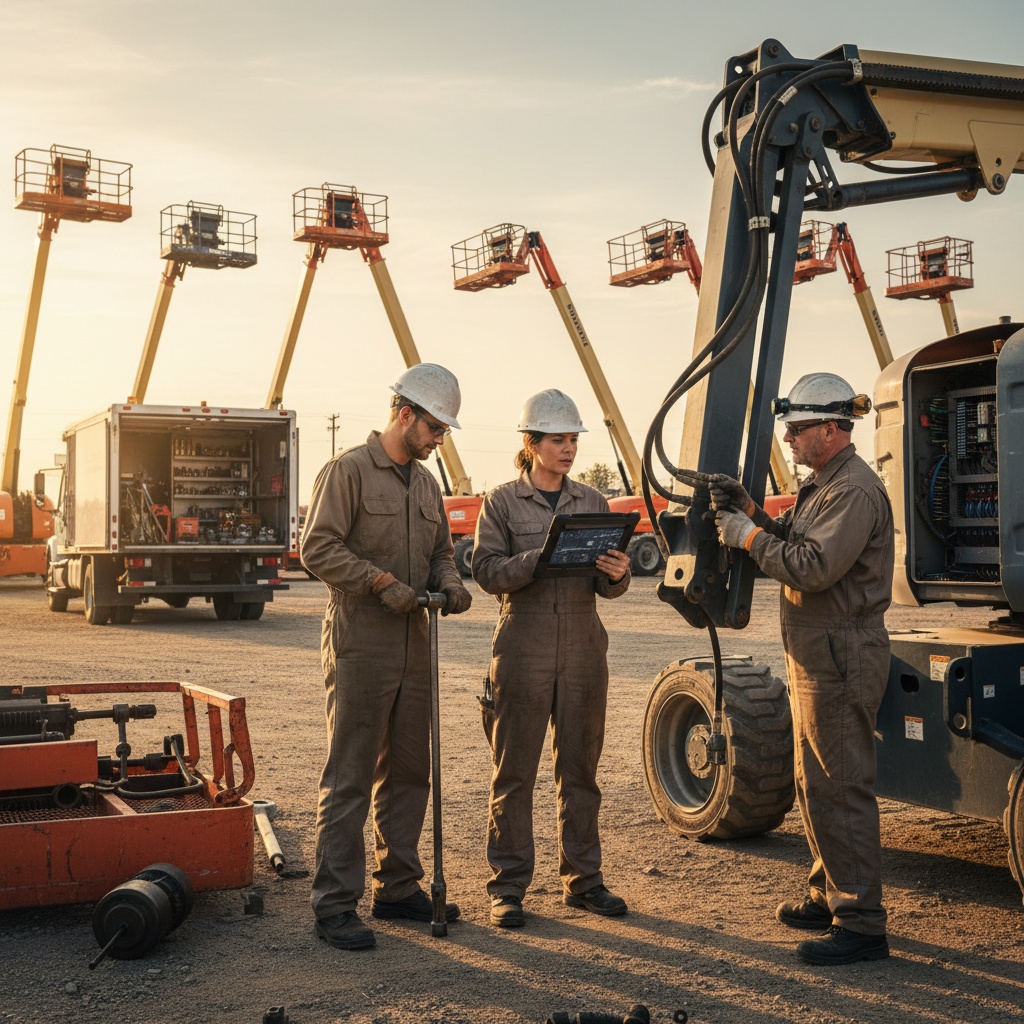
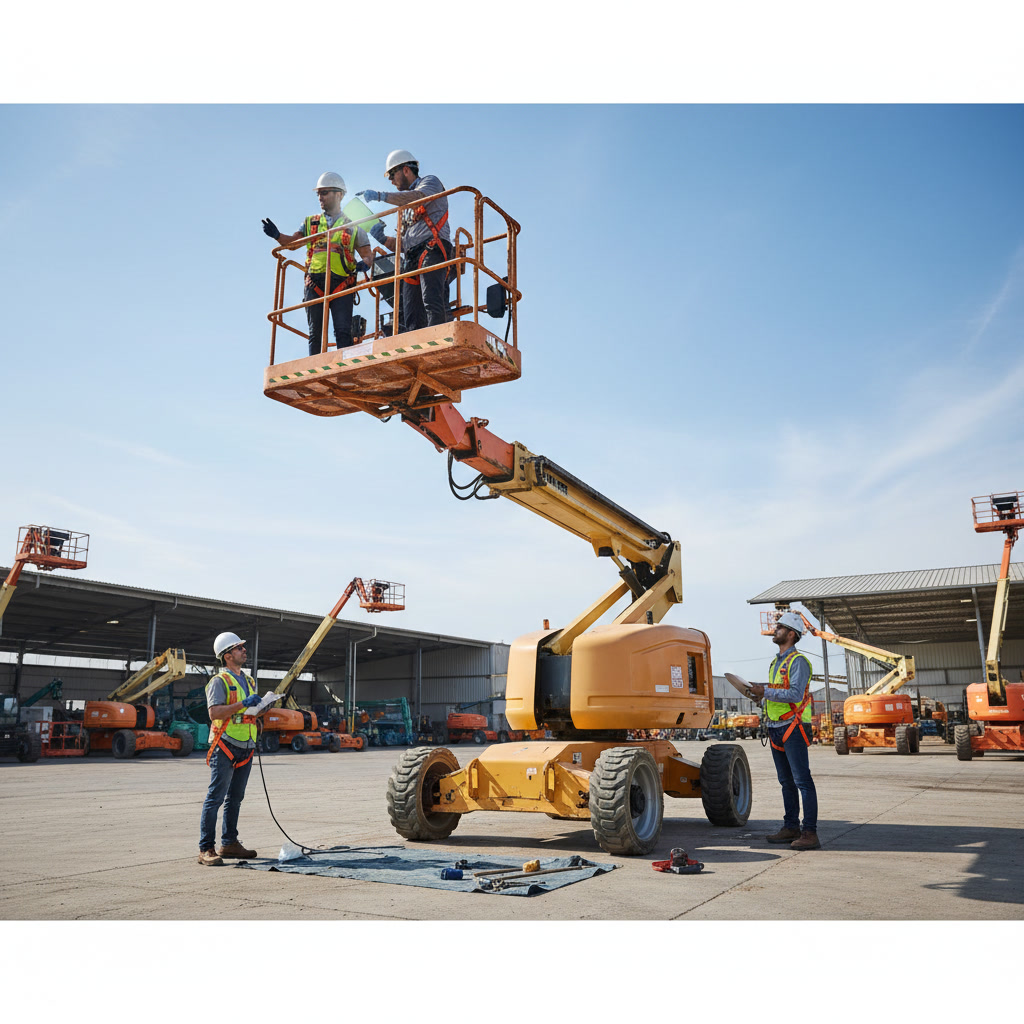
Annual man lift certification is a mandatory inspection process that confirms your aerial equipment meets current ANSI A92.20 and OSHA safety standards. During the inspection, a certified technician evaluates structural integrity, hydraulic systems, electrical components, safety mechanisms, and operational performance. The process typically takes two to four hours depending on the equipment model and includes documentation that proves compliance and protects your workforce.
Why Annual Inspections Are Required by Law
OSHA mandates that employers maintain aerial work platforms in safe operating condition through regular inspections. The standard requires annual inspections by qualified personnel who understand the equipment’s construction, operation, and hazards. Failure to maintain current certification exposes your business to liability, potential fines, and serious safety risks.
Many businesses also face insurance requirements that demand proof of annual certification. Without proper documentation, your coverage may be invalid if an incident occurs. The inspection creates a paper trail that demonstrates your commitment to worker safety and regulatory compliance.
What Qualifies a Technician to Perform Certification Inspections
Not every mechanic can legally certify aerial equipment. The technician must have specific training in the make and model being inspected, understand ANSI standards, and know how to identify defects that compromise safety. Factory-trained technicians bring manufacturer-specific knowledge that generic repair shops cannot match.
Experience matters significantly in these inspections. A seasoned technician recognizes early warning signs of component fatigue, hydraulic leaks, and electrical degradation that less experienced inspectors might miss. This expertise prevents failures before they happen.
Structural and Welding Inspection Points
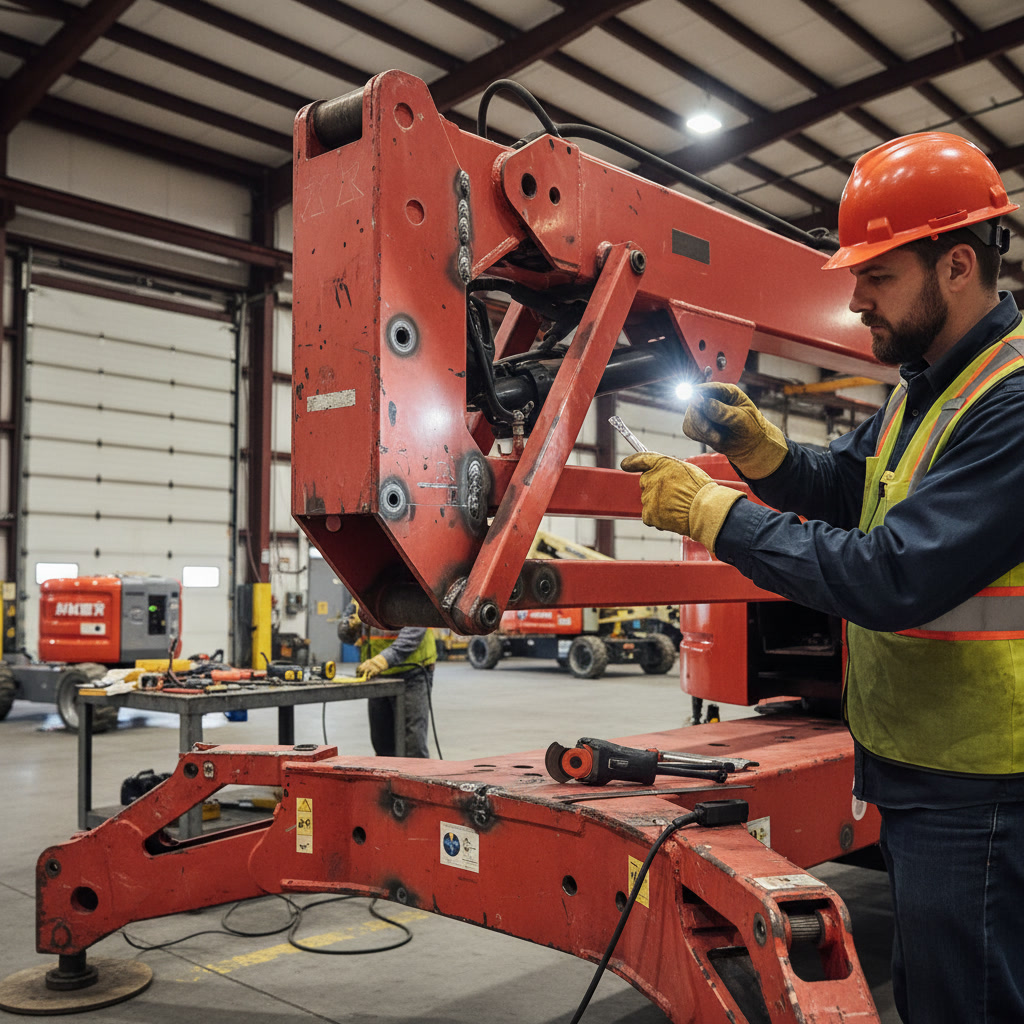
The technician begins with a thorough examination of the boom, platform, base, and all structural components. They look for cracks, especially in high-stress areas near welds and pivot points. Even hairline cracks can propagate under load and cause catastrophic failure.
Welds receive special attention because poor repair work or metal fatigue often shows up here first. The inspector checks for deformation, rust that might hide damage, and any modifications that were not engineered by the manufacturer. Unauthorized modifications automatically fail the inspection because they compromise the equipment’s load ratings and stability calculations.
Hydraulic System Testing and Component Evaluation
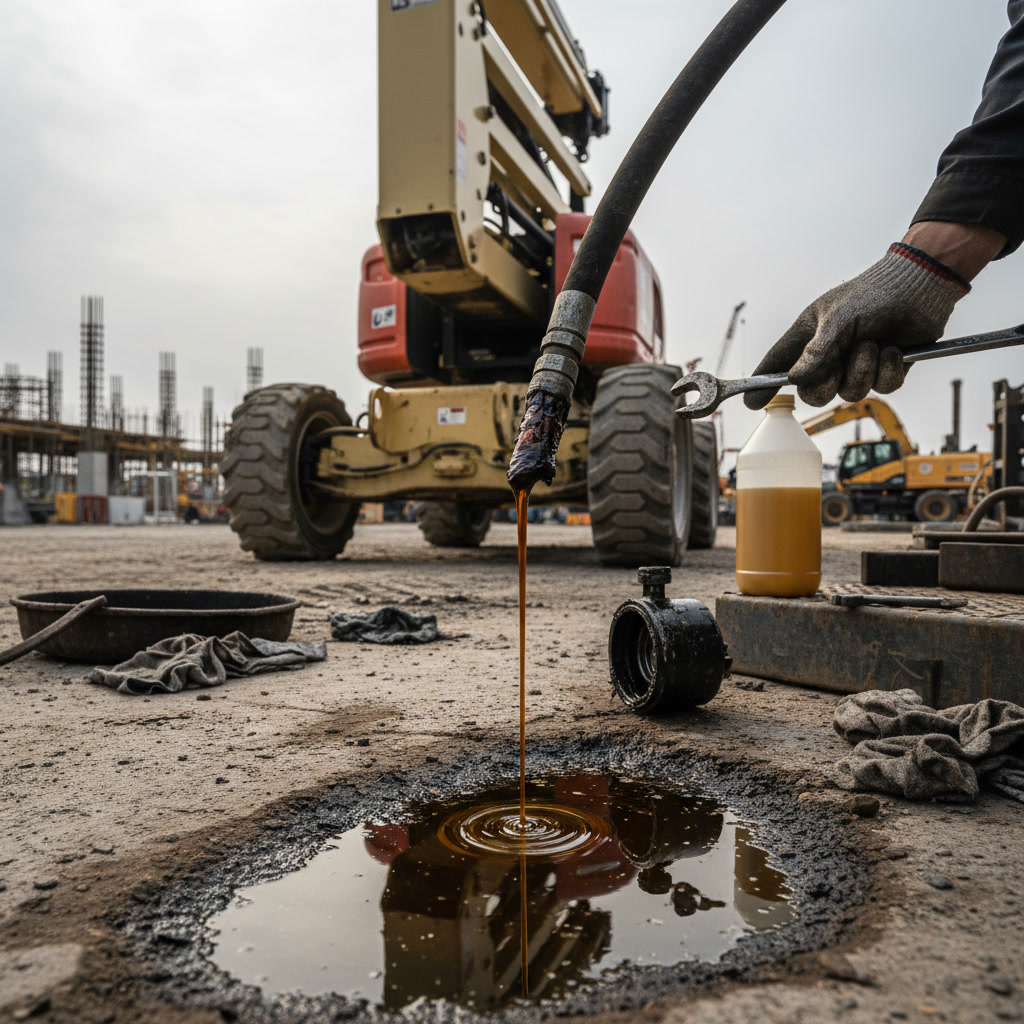
Hydraulic systems power the boom’s movement and must function flawlessly under load. The technician inspects all hoses for cracking, bulging, or leakage. They check fittings, cylinders, and the hydraulic pump for proper operation and signs of wear.
The inspector tests pressure levels to ensure the system maintains the force needed to lift and hold the platform safely. Low pressure indicates leaks or pump failure. They also verify that hydraulic fluid is clean and at proper levels, because contaminated fluid accelerates component wear and can cause sudden system failure.
Electrical System and Control Testing in Southern California
Electrical components control everything from platform movement to emergency stops. The technician tests all limit switches, which prevent the boom from exceeding safe travel ranges. They verify that emergency stop buttons function immediately and that all control levers respond correctly without sticking or delay.
Battery condition is critical for electric man lifts. The inspector checks charge capacity, terminal connections, and cable condition. Corroded connections cause intermittent failures that strand workers at height. Ground fault protection is also tested to prevent electrocution hazards, especially important for outdoor use where moisture is present.
Safety Device Verification and Load Testing
Multiple safety devices protect operators, and every one must work perfectly. The technician tests tilt sensors that prevent operation on unstable ground, overload sensors that stop movement when weight limits are exceeded, and descent alarm systems that warn nearby workers.
Outriggers and stabilizers receive careful inspection because they prevent tip-overs, the most dangerous man lift accident. The inspector checks hydraulic locks, wear on pads, and proper extension. Many accidents occur when stabilizers fail to hold on soft ground or when they are not fully deployed.
Platform and Guardrail Integrity Assessment
The platform is where workers spend their time, so its condition directly affects safety. Inspectors check the floor for holes, corrosion, or weak spots that could give way. They verify that guardrails are secure, gates close properly, and toe boards are intact.
Entry gates must have functioning latches that prevent accidental opening at height. The inspector tests the gate’s self-closing mechanism and ensures chains or bars are present where required. Worn or missing platform components are common violations that are easily preventable with routine maintenance.
Step-by-Step Operational Function Testing
After component inspection, the technician performs operational tests that simulate real-world use. This process follows a specific sequence:
First, they test all ground-level controls to verify proper boom movement in every direction. They check that speed controls work smoothly without jerking or hesitation. Second, they operate the equipment from the platform controls, ensuring workers can maneuver safely while elevated.
Third, they test emergency lowering systems that allow the platform to descend if primary power fails. This backup system must work even when batteries are dead or hydraulics lose pressure. Fourth, they verify that all safety interlocks prevent operation when conditions are unsafe, such as when the boom is over-extended or the platform is overloaded.
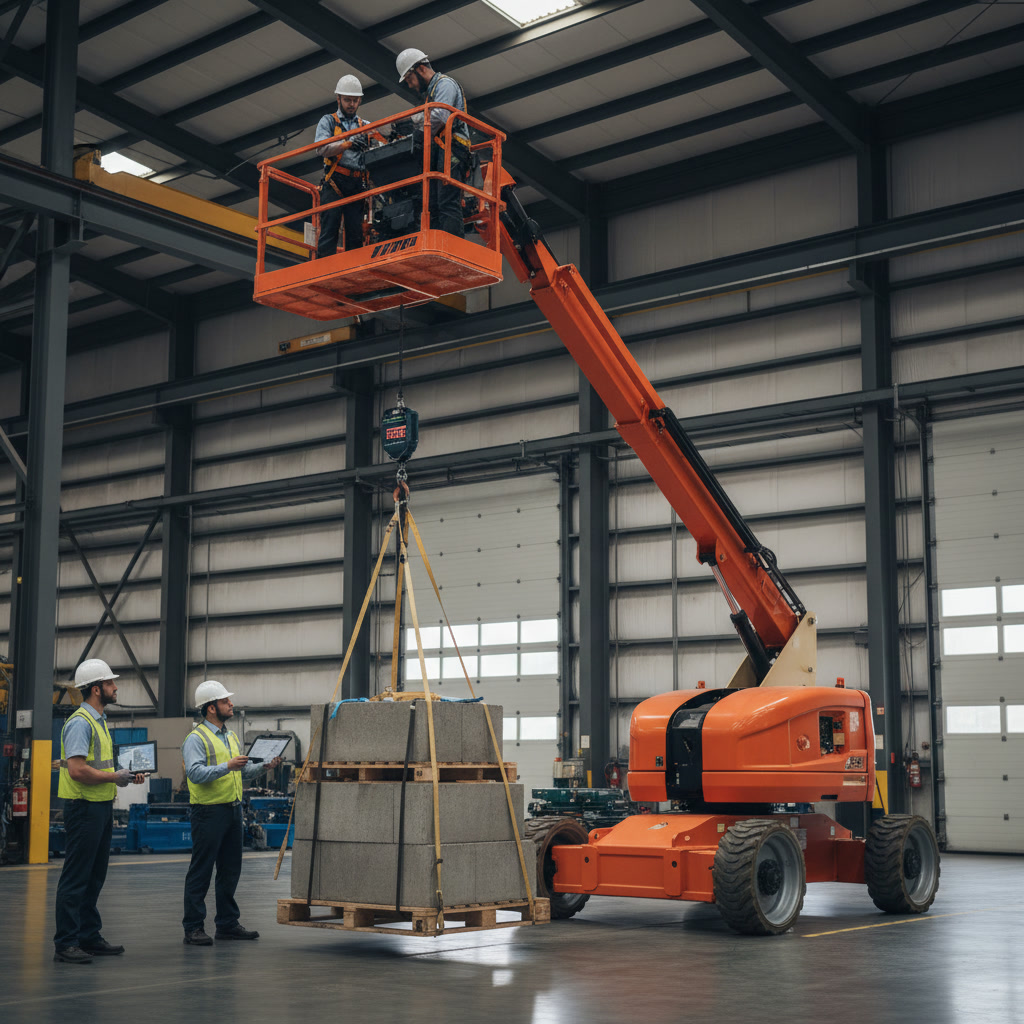
Finally, they test the equipment under load conditions when possible, observing how systems respond to stress. This reveals problems that only appear during actual work conditions.
Documentation and Compliance Records
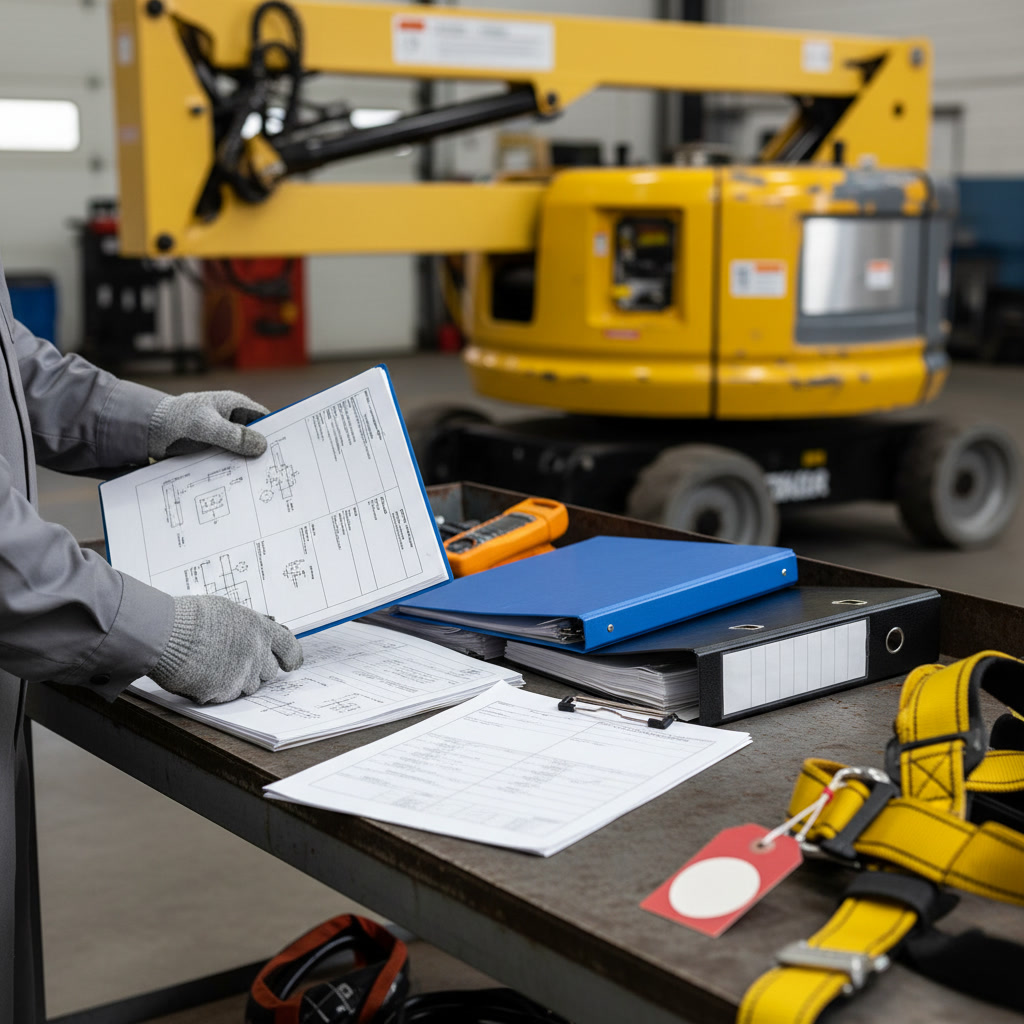
Passing the inspection is only half the process. The technician must generate detailed documentation that proves the equipment was inspected and either passed or failed. This report lists every component checked, any defects found, and repairs made or recommended.
The certification label or sticker affixed to the equipment shows the inspection date and next due date. OSHA inspectors look for these labels during site visits. Many businesses also maintain digital records that track inspection history, which helps identify recurring problems and plan preventive maintenance.
Common Failures and How to Avoid Them
Certain issues appear repeatedly in failed inspections. Hydraulic leaks are perhaps the most common, often caused by age-hardened hoses or loose fittings. Regular visual checks between annual inspections catch these early.
Electrical problems rank second, especially battery issues and corroded connections. Keeping batteries charged and terminals clean prevents most electrical failures. Structural damage from impacts is also common. Operators who collide with building structures or other equipment cause damage that might not be immediately obvious but shows up during annual inspections.
One expert insight from experienced technicians: most failures stem from deferred maintenance rather than sudden breakdowns. Equipment that receives regular attention between annual certifications rarely fails inspection. On-site field service throughout the year keeps equipment in compliance and reduces downtime.
How This Process Protects Your Business and Workers
Annual certification does more than satisfy regulators. It identifies problems before they cause injuries or property damage. A failed hydraulic hose discovered during inspection is inconvenient. The same hose failing while a worker is 30 feet up creates a life-threatening emergency.
The inspection also extends equipment life. Technicians spot wear patterns that indicate needed adjustments or lubrication. Addressing these small issues prevents expensive failures. Many businesses find that consistent annual inspections reduce overall maintenance costs because problems are caught early.
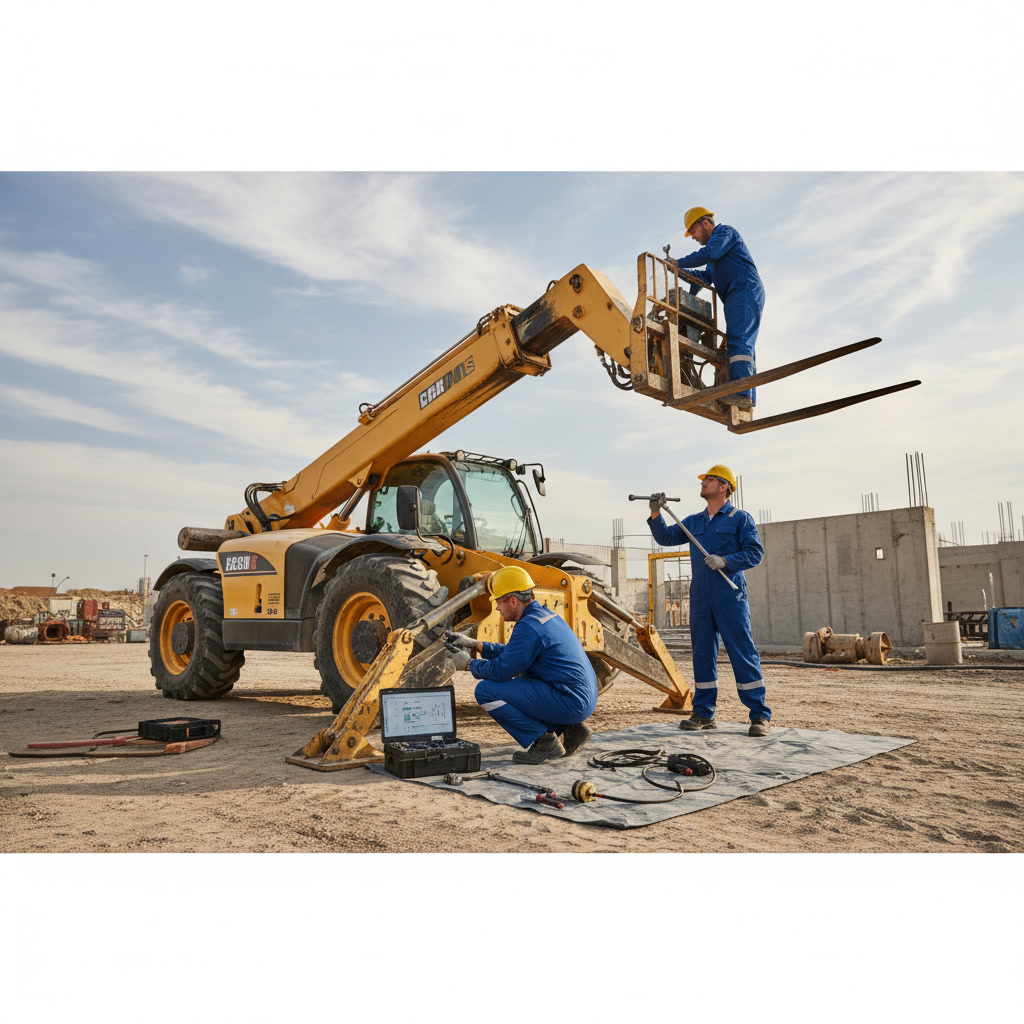
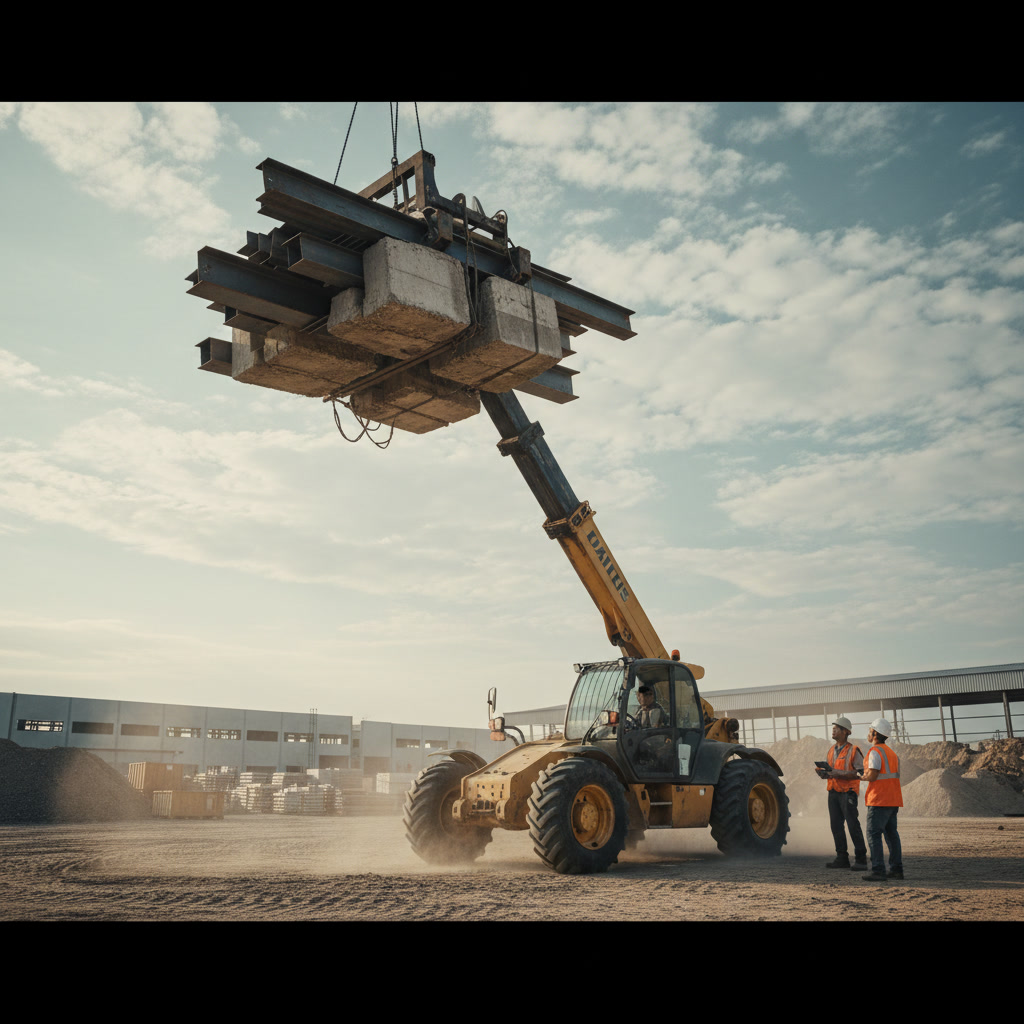
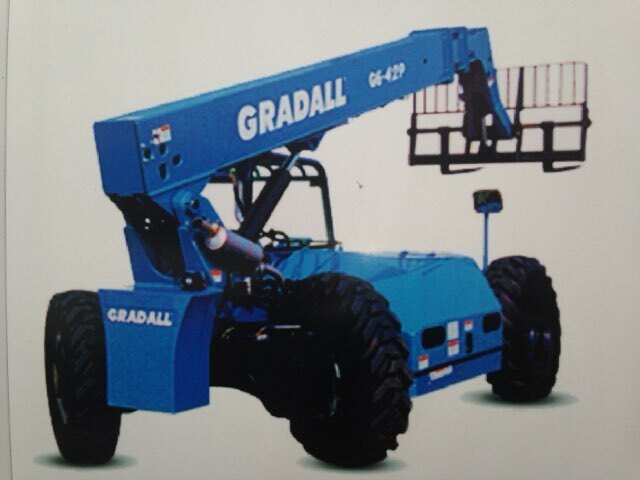
For companies operating multiple types of aerial equipment, similar inspection processes apply. The procedures used for boom lifts and scissor lifts share many common elements with man lift inspections, though each equipment type has specific requirements. Understanding what happens during telehandler safety inspections provides additional context for companies managing diverse fleets.
Keeping Your Equipment Compliant Year-Round
Annual certification represents the minimum legal requirement, but responsible equipment management goes further. Daily pre-use inspections by operators catch obvious problems. Monthly maintenance by qualified technicians addresses wear items before they fail. This layered approach ensures equipment stays safe between annual certifications.
Working with a qualified service provider who understands aerial equipment makes compliance straightforward. Independent companies often provide more personalized attention than large national chains, and owner-operated businesses ensure consistent quality because the same expert oversees every inspection.
Kns Equipment Services Corp specializes in comprehensive aerial equipment inspections that meet all ANSI and OSHA requirements. Our certified technicians bring factory training and real-world experience to every inspection, ensuring your equipment passes certification and operates safely. Whether you need annual certification, repairs, or ongoing maintenance support, our team provides the expertise your business depends on.
Schedule your man lift annual certification by calling +15622925718 to speak directly with our team. We provide detailed inspections, same-day documentation, and expert repairs that keep your equipment compliant and your workers safe.