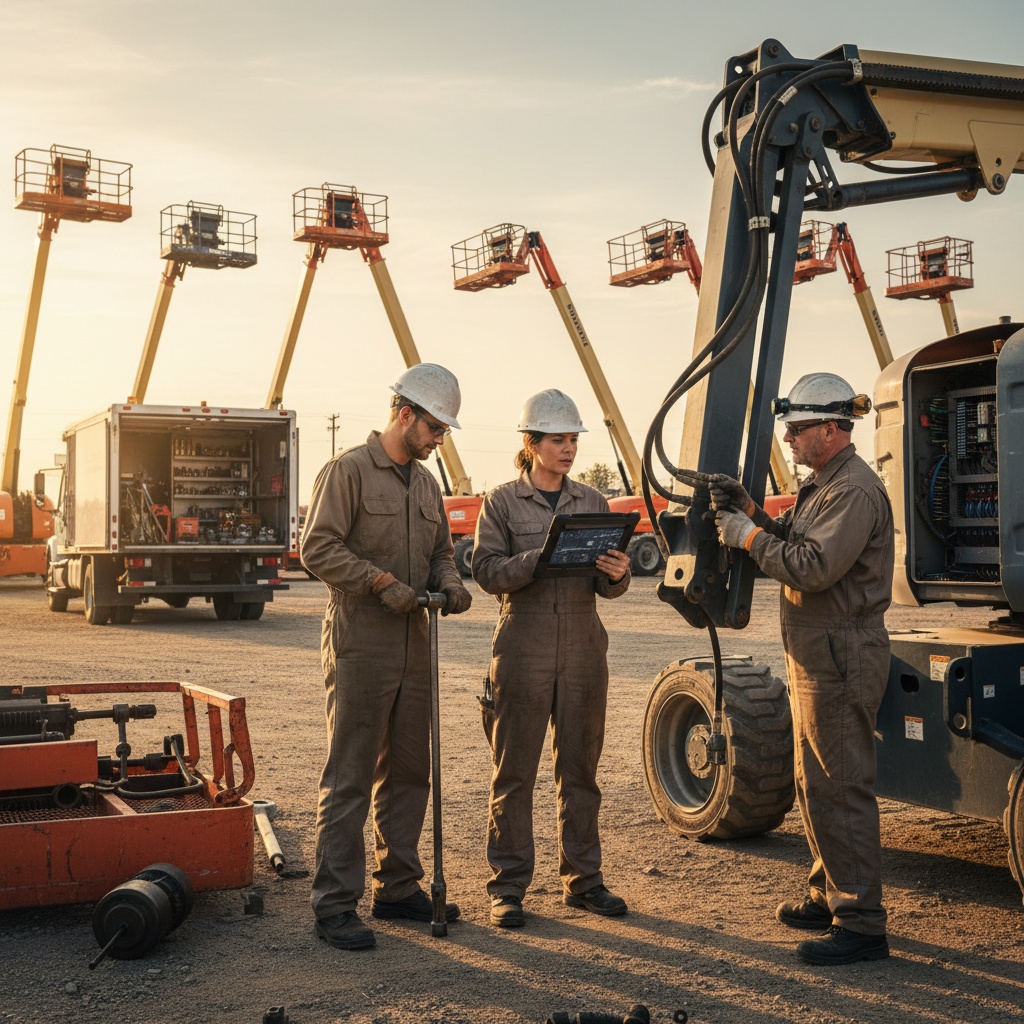
Field service technicians repair boom lifts directly at your job site using mobile diagnostic equipment, replacement parts inventory, and specialized tools designed for on-location repairs. This approach eliminates the need to transport heavy equipment to a shop, reducing downtime from days to hours while maintaining the same quality standards as traditional repair facilities. Mobile technicians carry comprehensive parts stock and diagnostic software to handle most repairs during the first visit.
Why Equipment Downtime Impacts Your Operations
When a boom lift breaks down on your worksite, every hour it sits idle costs you money. Workers stand around waiting, project schedules slip, and rental replacements drain your budget. Traditional repair methods require scheduling a flatbed truck, loading the equipment, transporting it to a shop, completing the repair, and hauling it back. This process typically takes three to five days for a repair that might only require two hours of actual work.
The real cost goes beyond the repair itself. You lose productive hours from your crew, face potential penalties for delayed project completion, and disrupt workflows across multiple teams. Some companies resort to maintaining extra equipment as backup, which ties up capital that could be invested elsewhere.
How Mobile Repair Services Changed the Industry
The shift to on-site service transformed equipment maintenance from a logistics challenge into a straightforward fix. Instead of moving a 15,000-pound boom lift, a skilled technician drives to your location with everything needed to diagnose and repair the problem. This model emerged as equipment became more standardized and diagnostic technology became portable enough to fit in a service van.
Modern service vans function as mobile workshops, stocked with hydraulic components, electrical parts, diagnostic computers, and specialty tools. Technicians can perform everything from minor adjustments to major component replacements without the equipment ever leaving your property.
The Mobile Diagnostic Process
When a technician arrives at your site, the diagnostic process begins with operator interviews. Understanding what happened before the failure often points directly to the root cause. Did the lift lose power gradually or suddenly? Were there unusual noises? Did it fail during a specific operation?
Next comes the physical inspection. Technicians check fluid levels, examine hoses and connections for leaks, inspect electrical connections, and look for visible damage. Modern boom lifts include onboard diagnostic systems that store error codes, similar to automotive computers. Technicians connect handheld diagnostic tools to read these codes and access real-time data from sensors throughout the machine.
This combination of traditional mechanical inspection and electronic diagnostics typically identifies the problem within 30 minutes. The most common issues include hydraulic leaks, failed limit switches, worn drive components, and battery problems.
Common Boom Lift Repairs Completed On Site in Southern California
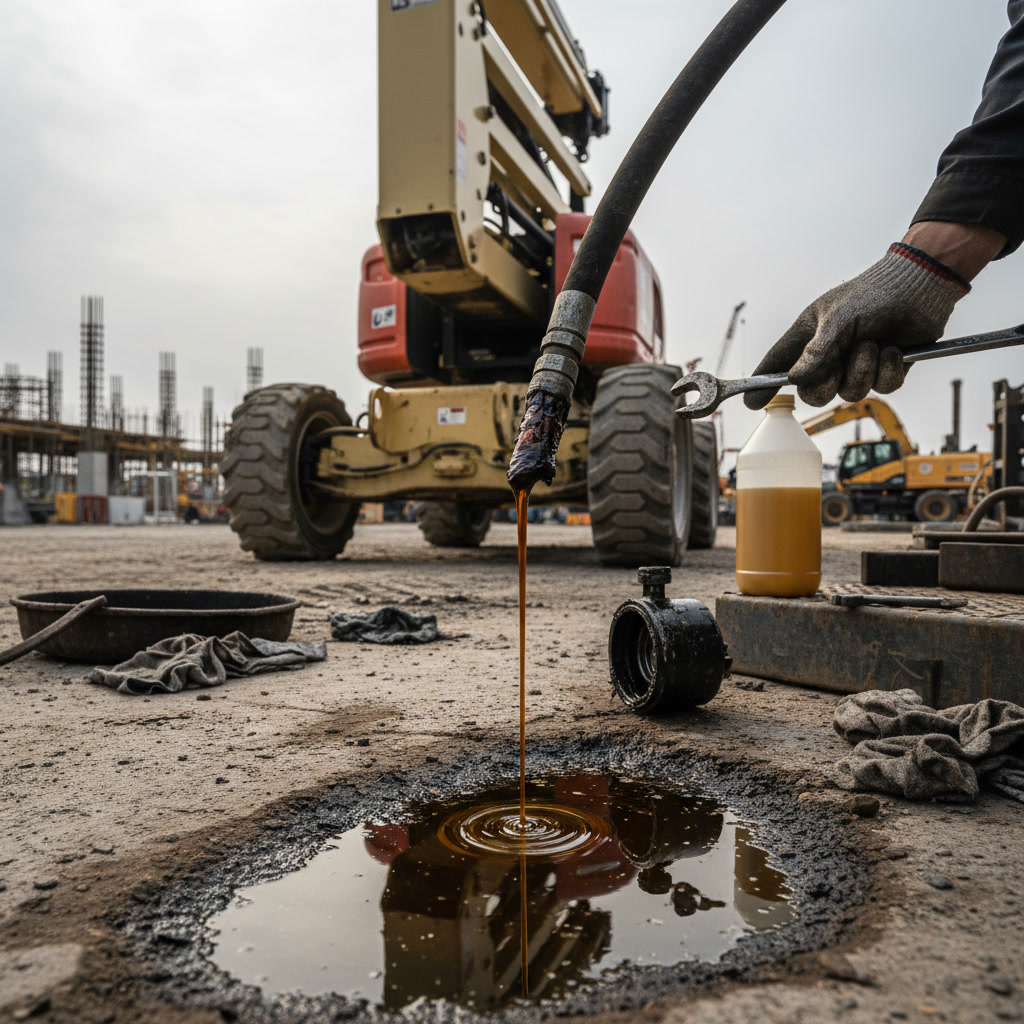
Most boom lift failures fall into predictable categories that mobile technicians encounter regularly. Hydraulic system issues top the list, including leaking hoses, failed cylinders, and pump problems. These repairs require carrying replacement hoses in common sizes, spare cylinders, and hydraulic fluid.
Electrical failures come next, ranging from simple battery replacements to control board repairs. Service vans stock common relays, switches, contactors, and wiring supplies. Battery issues can often be resolved in under an hour when the technician has the correct replacement on hand.
Drive system components wear over time, including chains, sprockets, and drive motors. Platform controls take abuse from daily use and need periodic replacement. Limit switches prevent the boom from overextending but fail from exposure to weather and vibration.
Five Steps Technicians Follow for On-Location Repairs
The repair process follows a systematic approach that ensures safety and quality:
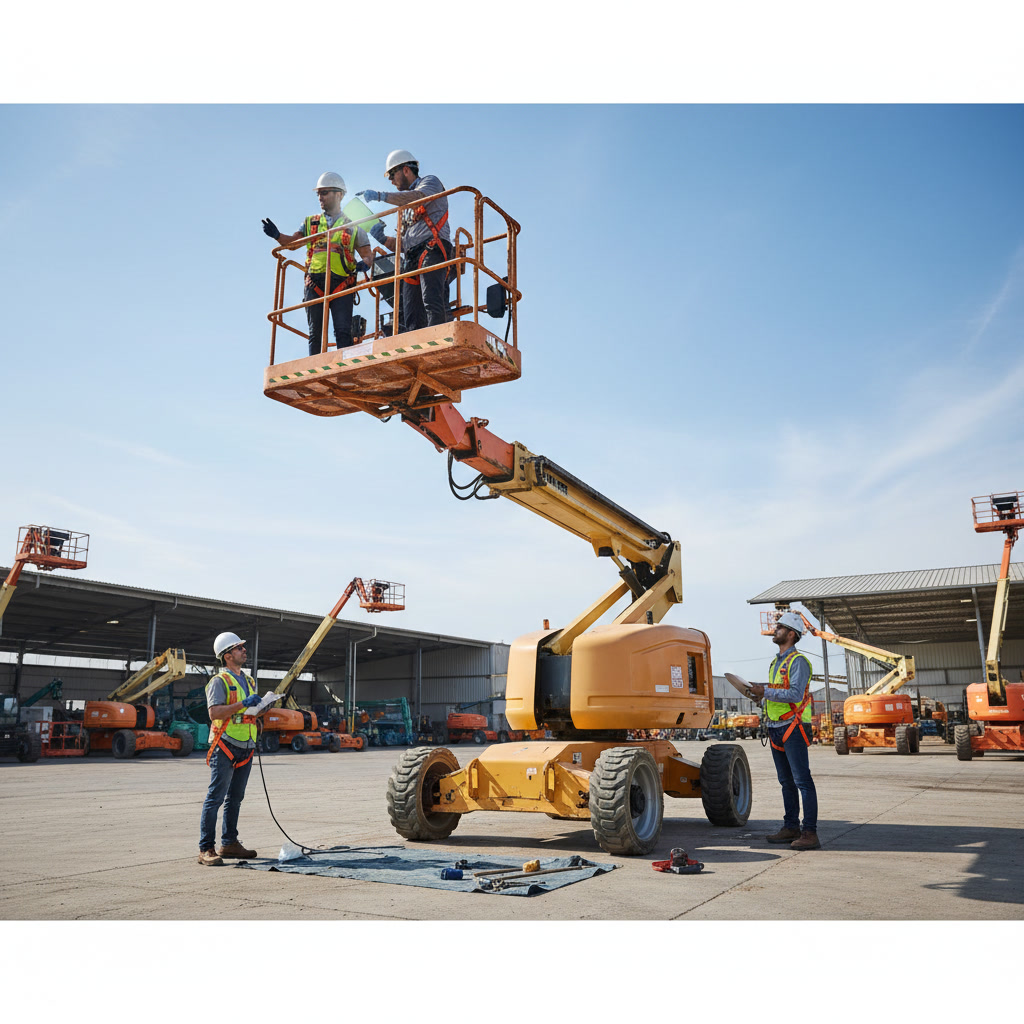
Step 1: Site Safety Assessment. Before starting work, technicians evaluate the surrounding area, establish a safety perimeter, and ensure the lift is properly stabilized. This prevents accidents during the repair process.
Step 2: Lockout and Isolation. The equipment is locked out following OSHA standards to prevent accidental startup. This includes disconnecting batteries, tagging controls, and securing hydraulics.
Step 3: Component Removal and Replacement. The failed part is removed and replaced using tools carried in the service vehicle. Technicians work methodically, documenting the process and checking related components that might fail soon.
Step 4: System Testing. After installation, the new component is tested under actual operating conditions. This includes cycle testing, load testing where appropriate, and verifying that all safety systems function correctly.
Step 5: Documentation and Prevention. The technician records the repair, notes any wear patterns or potential future issues, and advises on preventive maintenance to avoid similar failures.
What Equipment and Parts Service Vans Carry
A well-equipped service van represents a significant investment in inventory and tools. Hydraulic supplies include common hose sizes with fittings, replacement cylinders in popular bore sizes, seals and O-rings, and cases of hydraulic fluid. Electrical inventory covers batteries for different lift models, control boards, limit switches, contactors, relays, and wire in various gauges.
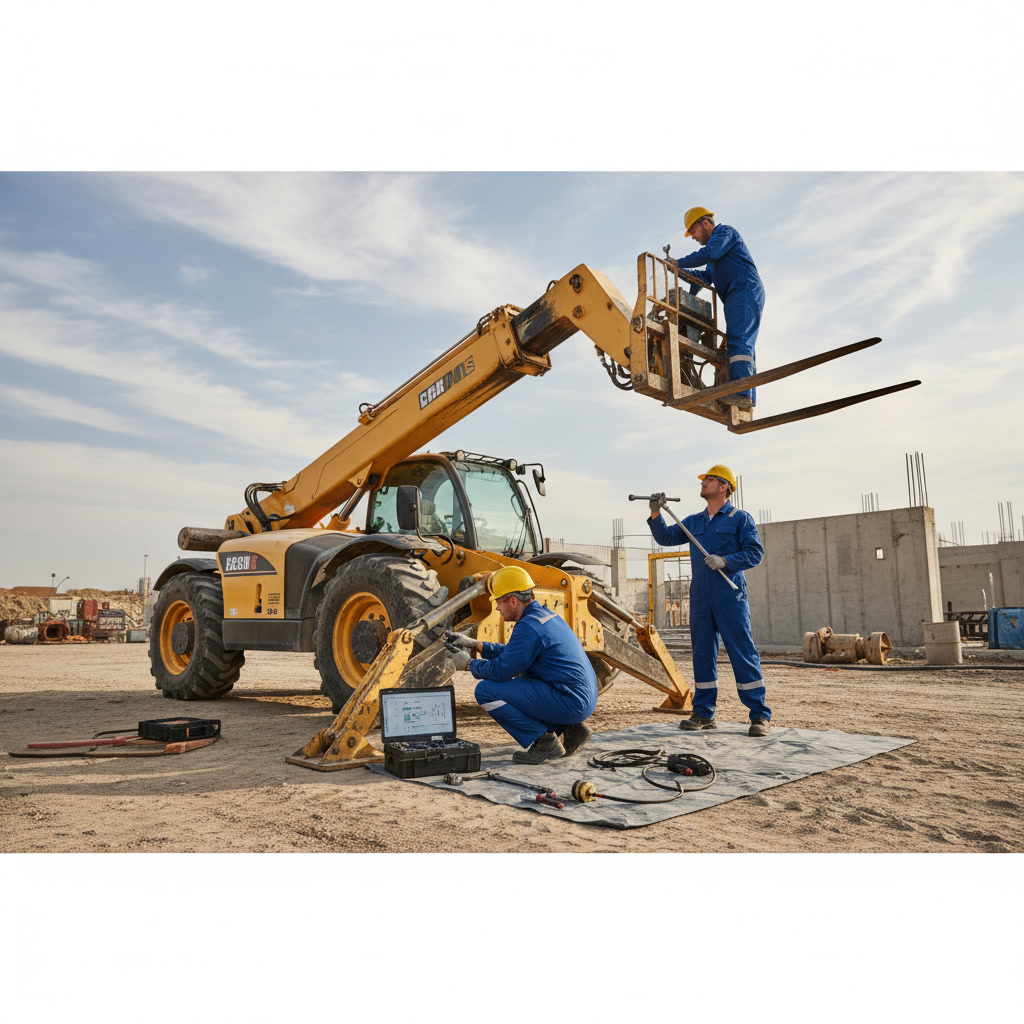
The tool selection goes beyond standard mechanics tools. Hydraulic crimpers create custom hoses on site when standard lengths do not fit. Multimeters and circuit testers diagnose electrical problems. Laptop computers with manufacturer software connect to lift control systems for programming and diagnostics. Pressure gauges verify hydraulic system performance.
This comprehensive inventory means technicians can complete about 85% of repairs during the initial visit without ordering parts. The remaining 15% typically involve unusual failures or major components that cannot be stocked due to size or cost.
When Transportation Becomes Necessary
Some repairs exceed what can be accomplished on site. Major structural damage from accidents requires shop facilities with overhead cranes and welding equipment. Complete engine rebuilds need clean environments and specialized tools. Frame cracks must be welded in controlled conditions to ensure structural integrity.
However, even in these cases, the initial on-site visit provides value. The technician performs a thorough assessment, provides an accurate diagnosis, and determines exactly what shop work is needed. This eliminates guesswork and ensures the equipment goes to the shop once with a clear repair plan.
Understanding what happens during a service visit helps you prepare and set realistic expectations for repair timelines.
How Preventive Maintenance Reduces Emergency Calls
Field technicians see patterns in equipment failures that point to preventive opportunities. Hydraulic hoses typically last three to five years before developing leaks. Drive chains stretch predictably based on operating hours. Batteries fail after a certain number of charge cycles.
Scheduled maintenance visits catch these wear items before they fail. A technician can replace a hydraulic hose showing early signs of deterioration during a planned visit rather than responding to an emergency leak that shuts down your operation. This proactive approach costs less than reactive repairs because you control the timing.
Regular inspections also identify adjustments that extend component life. Proper chain tension prevents premature sprocket wear. Correct hydraulic fluid levels protect pumps. Clean electrical connections prevent voltage drops that damage control boards.
The Technology Behind Modern Mobile Diagnostics
Equipment manufacturers now build connectivity into their machines. Modern boom lifts record operating data, track maintenance intervals, and log fault codes. Technicians access this information through diagnostic ports using tablet computers or laptops.
This technology reveals problems that visual inspection might miss. Sensor data shows when a hydraulic pump operates outside normal pressure ranges, indicating internal wear before complete failure. Hour meters track usage to schedule component replacements based on actual wear rather than calendar dates.
Some advanced systems allow remote diagnostics where a technician reviews error codes before leaving the shop. This ensures the right parts load into the van for the specific problem, increasing first-visit completion rates.
Comparing Mobile Service to Shop-Based Repairs
Understanding the differences between service models helps you choose the right approach for different situations. Mobile service excels at speed and convenience. The average on-site repair takes four to six hours from call to completion, including travel time. Shop repairs require days due to transportation logistics.
Cost comparisons favor mobile service for routine repairs because you avoid transport fees and equipment rental costs during downtime. Shop facilities make sense for complex rebuilds requiring specialized equipment or multiple days of labor.
Quality outcomes are equivalent when technicians have proper training and parts access. The same diagnostic procedures and repair techniques apply whether work happens at your site or in a shop. The difference lies in logistics, not workmanship.
Similar principles apply across different equipment types, as detailed in our guide on warehouse equipment service.
Keeping Your Equipment Running Efficiently
Mobile repair services eliminate the traditional barriers to maintaining equipment in top condition. The convenience of on-site service makes it easier to address small problems before they become big failures. When calling for service does not mean losing your equipment for days, you are more likely to report issues early.
This approach works best when paired with operator training. Teaching your team to recognize early warning signs like unusual noises, slight performance changes, or minor leaks means problems get reported while they are still easy to fix. A small hydraulic leak caught early might need only a tightened fitting. Ignored for weeks, it could require replacing a damaged component.
Regular communication with your service provider builds a relationship where technicians learn your equipment and operating conditions. They can spot patterns and recommend adjustments specific to your environment and usage.
Kns Equipment Services Corp brings specialized expertise in aerial equipment repairs throughout Southern California. Independent ownership means the person who answers your call oversees your repair from start to finish, ensuring accountability and quality on every service visit.
Keep your equipment operational with professional mobile repair services. Contact us at +15622925718 to schedule service or request emergency assistance for your boom lifts and aerial equipment.