Your scissor lift is down. Your warehouse operations are backed up. Every hour that equipment sits idle costs money in lost productivity, rental replacements, and frustrated crews. Finding a qualified mobile equipment repair technician who can respond quickly and fix the problem right the first time is not just convenient; it is essential to your bottom line.
This guide walks you through the critical factors to evaluate when selecting a mobile equipment repair provider in Southern California. You will learn what questions to ask, what certifications to verify, and how to avoid the most common mistakes that lead to repeat breakdowns.
Why Mobile Service Matters for Equipment Repairs
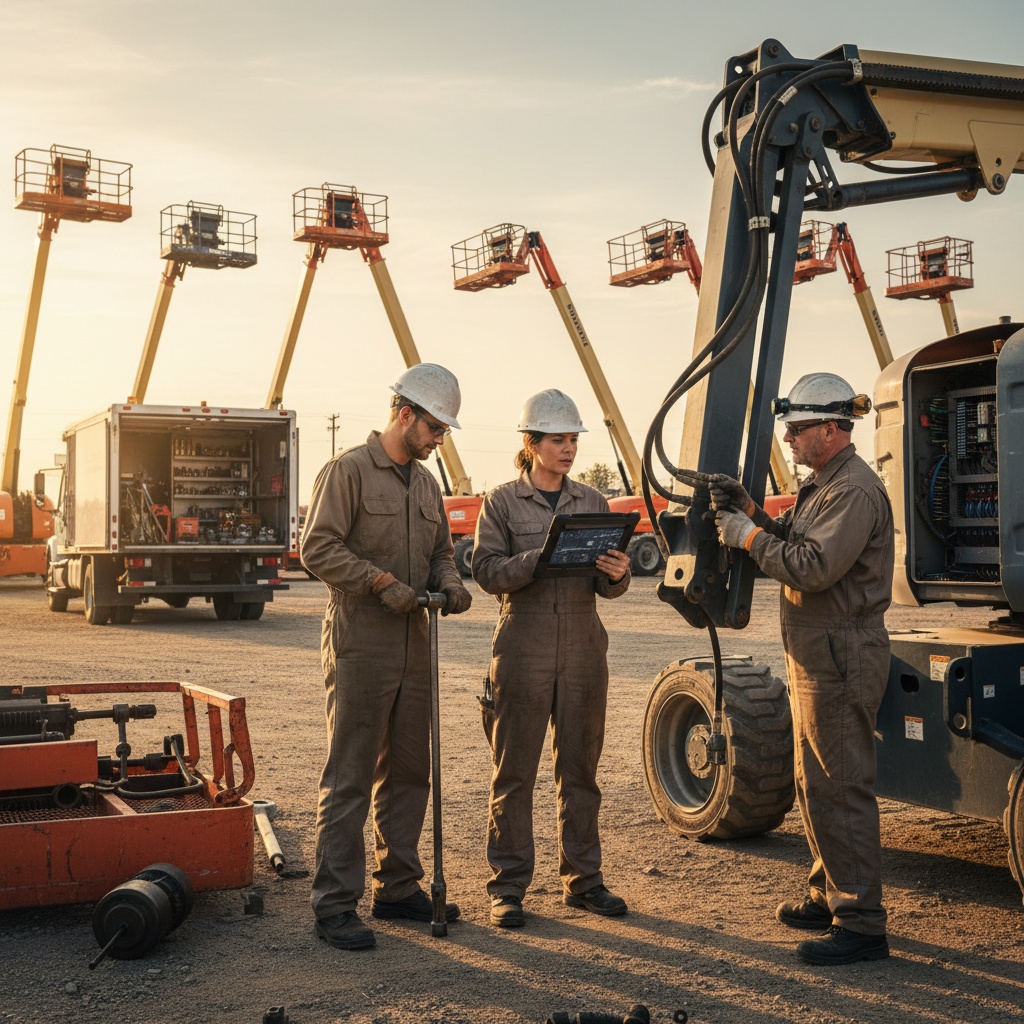
Transporting a 30-foot boom lift or heavy equipment to a repair shop is expensive, time-consuming, and often impractical. Mobile service brings the expertise and tools directly to your job site or warehouse, cutting downtime from days to hours.
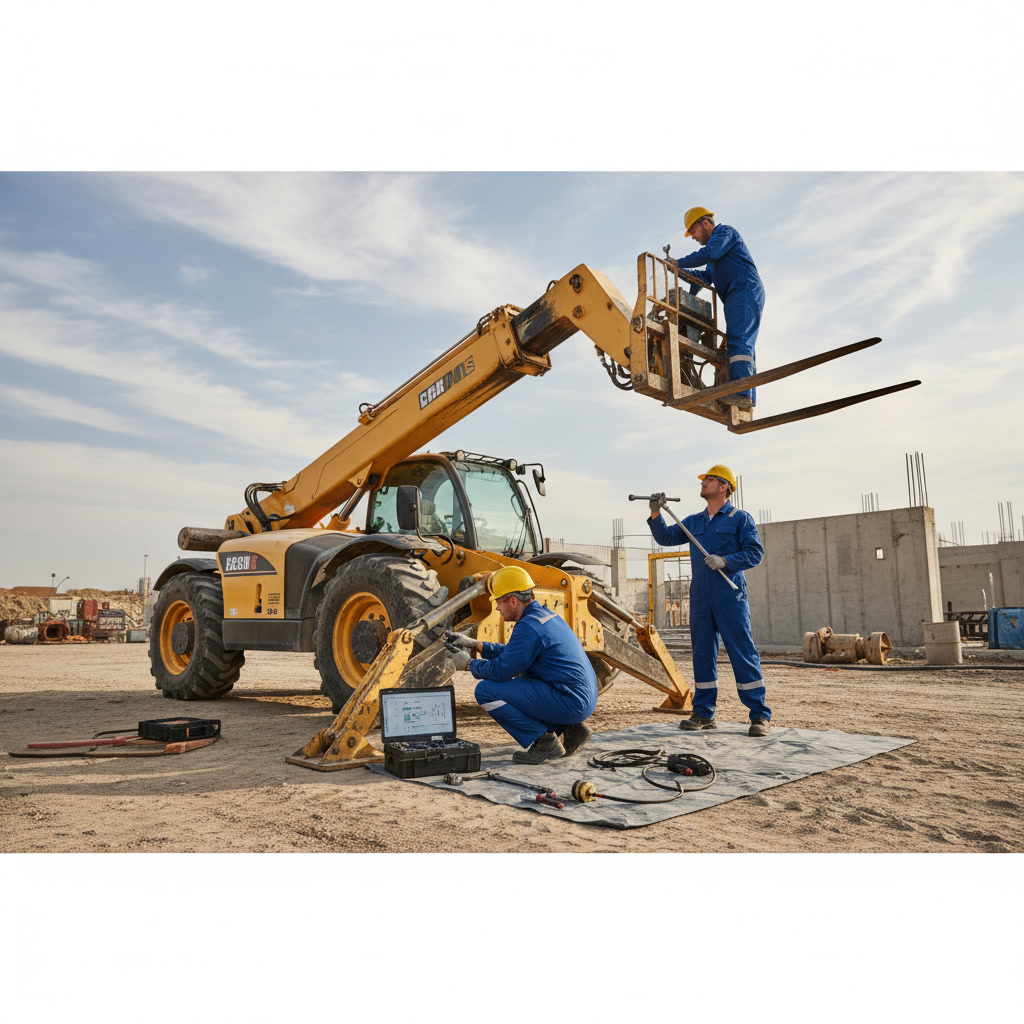
Mobile technicians diagnose and repair equipment where it sits. This approach eliminates transport fees, reduces the window of lost productivity, and allows you to keep projects moving. For businesses operating multiple sites across Southern California or Central California, having a reliable mobile provider on call is not optional.
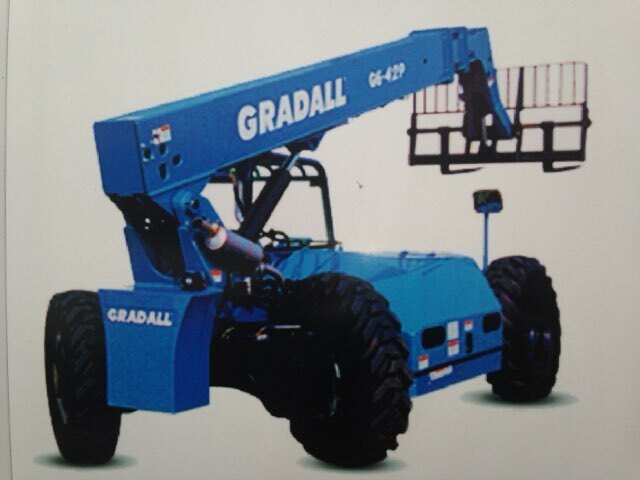
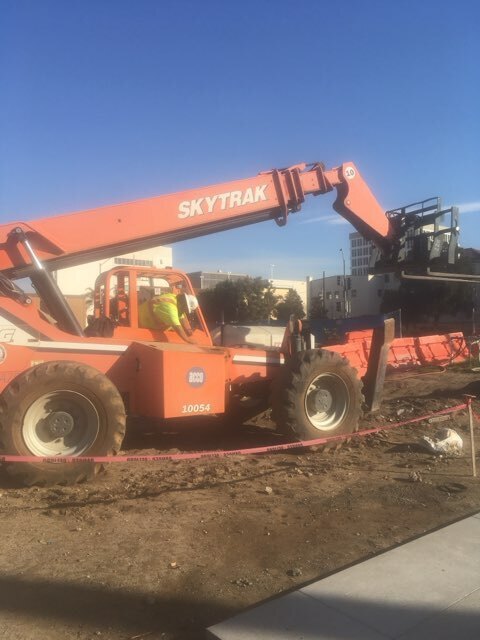
Field service also means faster emergency response. When a telehandler fails during a critical phase of construction, waiting for shop availability or coordinating transport can halt an entire crew. A qualified mobile technician can often arrive within hours and complete repairs on site.
Verify Technician Qualifications and Experience
Not all equipment repair providers have equal expertise. Aerial lifts, scissor lifts, boom lifts, telehandlers, and industrial electric carts each require specialized knowledge of hydraulics, electrical systems, and manufacturer-specific components.
Manufacturer Training and Certifications
Ask whether technicians hold certifications from major equipment manufacturers such as Genie, JLG, Skyjack, or Haulotte. Factory-trained technicians understand the nuances of each brand and model. They have access to technical bulletins, recall information, and proprietary diagnostics that generic mechanics do not.
Certifications from organizations like the International Powered Access Federation (IPAF) or the Scaffold and Access Industry Association (SAIA) also indicate a commitment to ongoing education and safety standards.
Years in the Field
Experience matters when diagnosing intermittent faults or obscure failure modes. A technician with 10 or 15 years of field service has seen hundreds of failure patterns and knows how to troubleshoot efficiently. They can often identify root causes that less experienced mechanics miss, preventing repeat failures.
Ask how long the company has been operating and whether the same technicians will service your equipment over time. Consistent relationships with skilled techs lead to better service and faster repairs.
Response Time and Service Coverage Area
Downtime escalates quickly. Lost productivity on a commercial construction site can impact idle labor, equipment rentals, and project timelines significantly.
Clarify the provider’s typical response time for emergency calls. Some companies promise same-day service within specific zones. Others may take 48 hours or longer depending on technician availability and distance.
For businesses with facilities across Southern California, confirm that the provider actively services your entire region. A company based in Orange County may struggle to reach inland sites in San Bernardino or Riverside within a reasonable window.
Pro Tip: Ask whether the company dispatches owner-operated technicians or subcontractors. Owner-operated services often provide more accountability and direct communication.
Range of Equipment and Services Offered
A mobile equipment repair provider should handle the full spectrum of material handling and aerial equipment in your fleet. Specialization matters, but breadth of capability reduces the number of vendors you need to manage.
Aerial Equipment
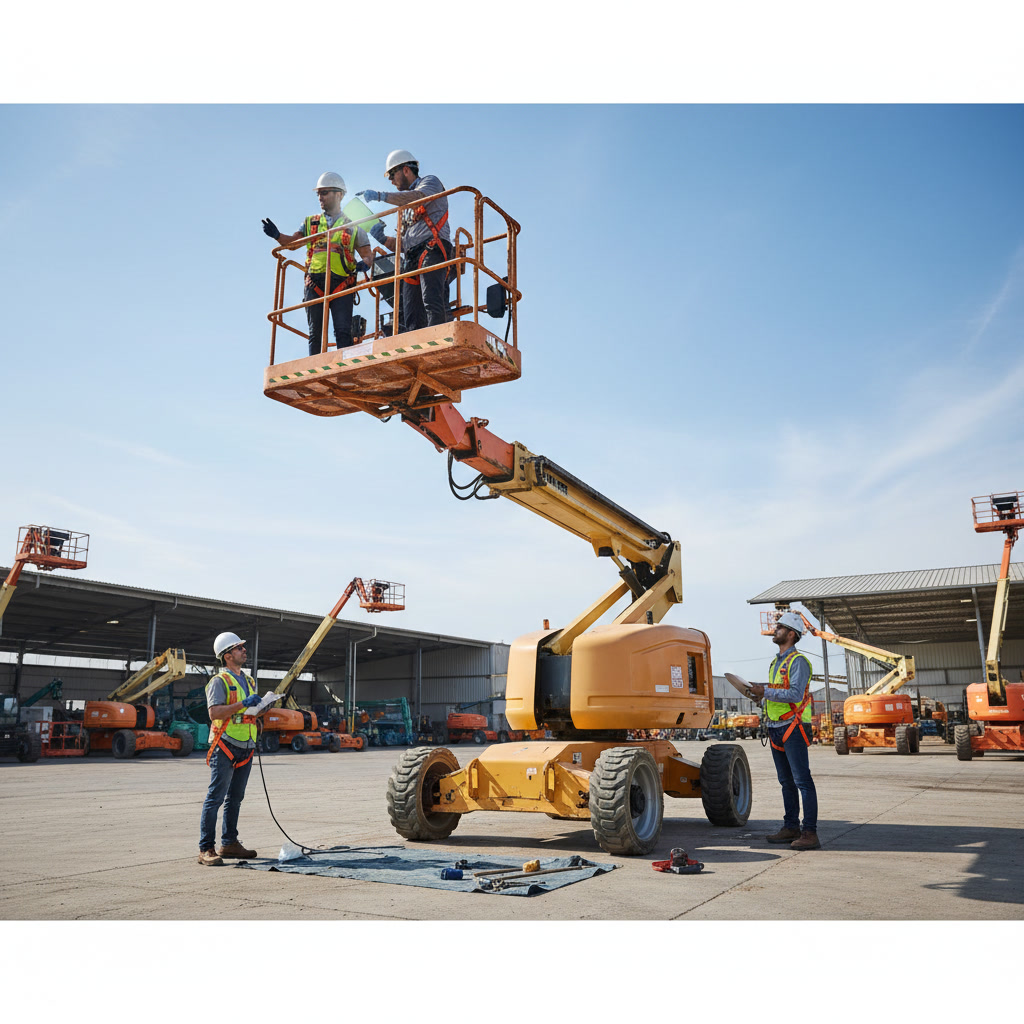
Boom lifts, scissor lifts, telehandlers, and man lifts each have distinct systems. Hydraulic cylinders, proportional controls, load sensors, and tilt alarms require different diagnostic approaches. Ensure the provider has documented experience with your specific equipment types.
Industrial Electric Carts and Golf Carts
Golf carts and industrial electric carts are common in warehouses, distribution centers, and large campuses. Battery systems, motor controllers, and charging infrastructure need regular maintenance and prompt repairs. A provider that services both aerial equipment and electric carts offers a more comprehensive solution.
Preventive Maintenance Programs
Reactive repairs cost more than scheduled maintenance. Ask whether the provider offers preventive maintenance contracts that include inspections, fluid changes, filter replacements, and safety checks. Regular service extends equipment life and reduces the frequency of emergency breakdowns.
Parts Availability and Supplier Relationships
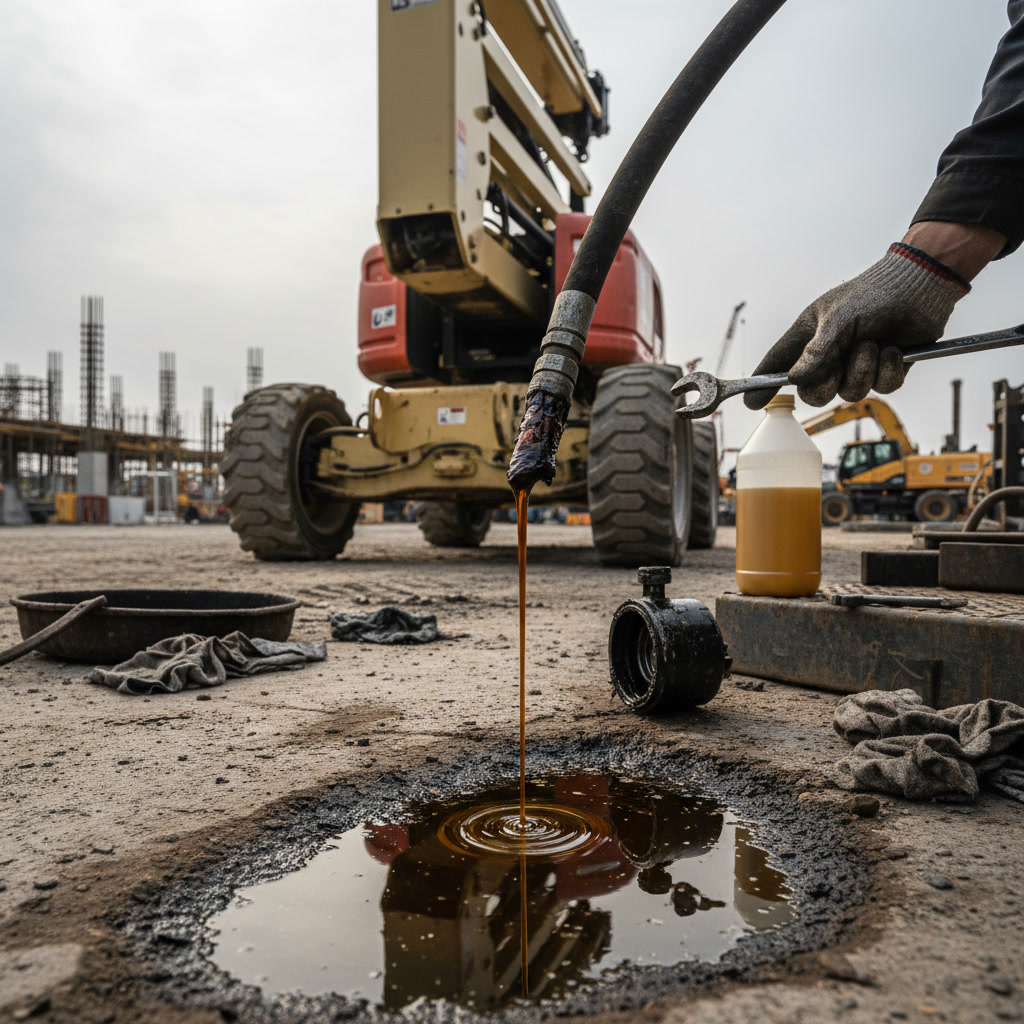
Even the best technician cannot complete a repair without the right parts. Delays in sourcing components can extend downtime from hours to days or even weeks for hard-to-find items.
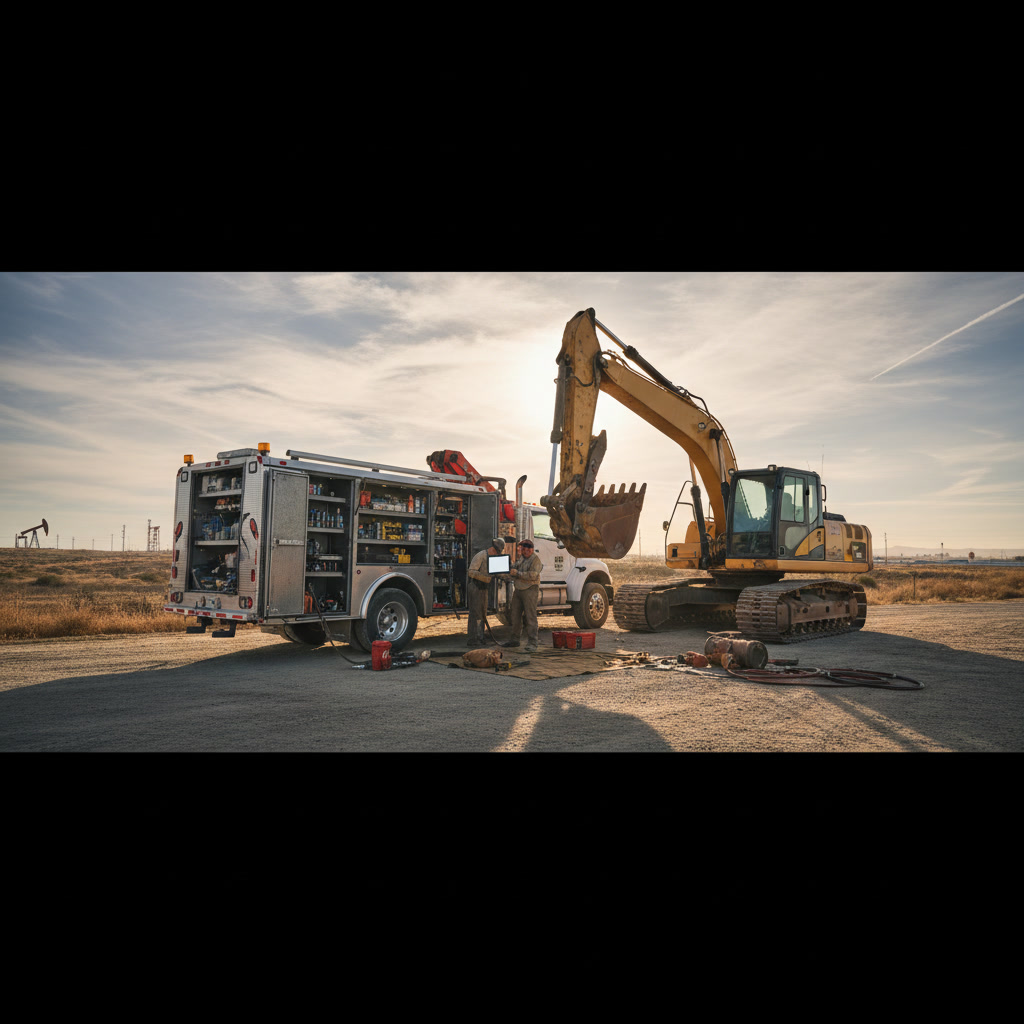
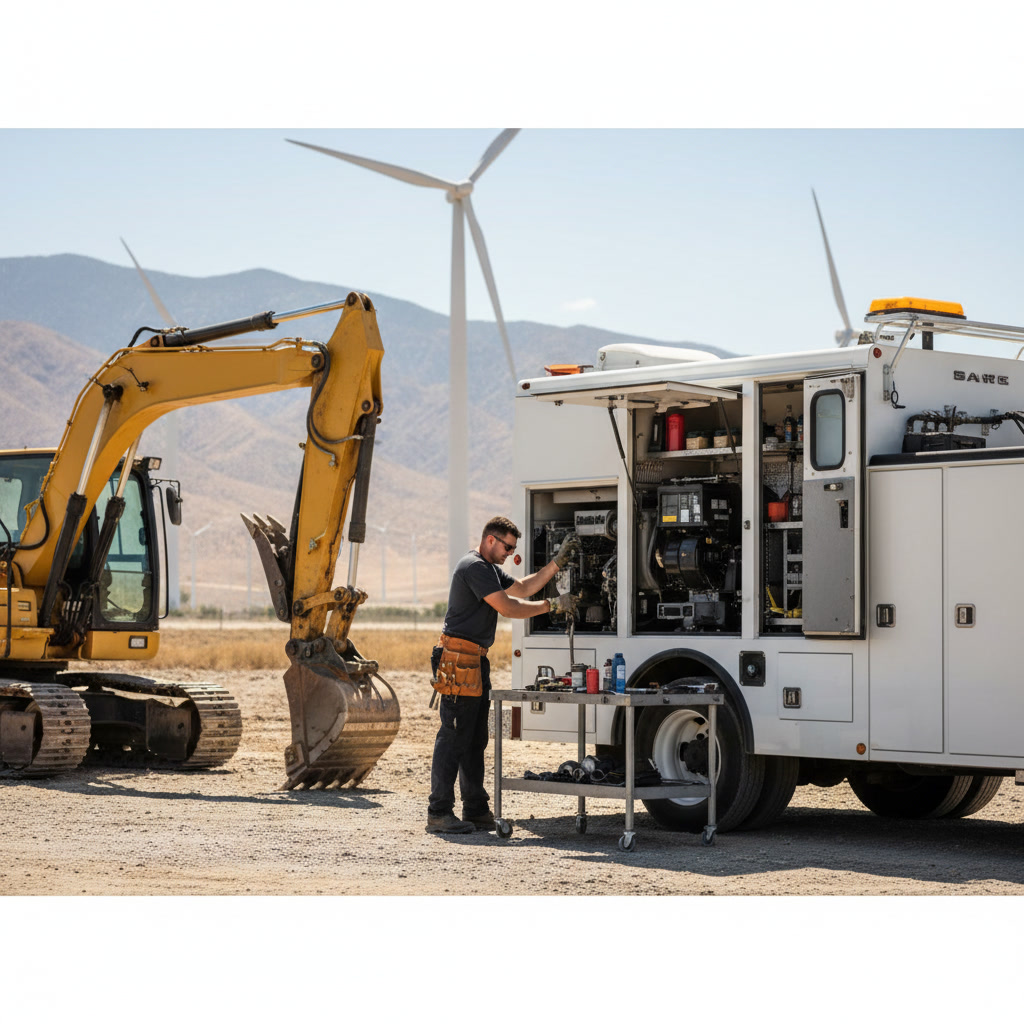
Ask whether the provider stocks common wear parts such as hydraulic hoses, seals, filters, batteries, and electrical components on their service vehicles. Mobile units equipped with a comprehensive parts inventory can complete most repairs on the first visit.
Verify that the company maintains relationships with OEM suppliers and aftermarket distributors. Access to expedited shipping and priority order fulfillment makes a significant difference when critical components fail.
Be cautious of providers who rely exclusively on the cheapest aftermarket parts. While cost matters, inferior components can lead to premature failures and safety risks. Quality parts from reputable suppliers may have higher upfront investment but deliver better reliability and longer service intervals.
Safety Standards and Compliance
Equipment failures can create serious safety hazards. OSHA and ANSI standards mandate regular inspections and maintenance for aerial lifts and material handling equipment. Your repair provider should understand these requirements and document all service work accordingly.
Request copies of inspection checklists and maintenance logs. Proper documentation protects your business in the event of an accident and demonstrates compliance during safety audits.
Ask whether the provider performs post-repair function tests and safety checks before returning equipment to service. A thorough test protocol verifies that repairs resolved the issue and that all safety systems operate correctly.
Key Takeaway: Your mobile equipment repair provider should help you maintain compliance, not just fix broken machines. Documentation and safety protocols are non-negotiable.
Communication and Service Quality
Understanding how a provider operates and communicates helps ensure a smooth working relationship and successful repairs.
Ask about their standard processes for scheduling, diagnostics, and repair authorization. Clear communication about timelines and service procedures helps set proper expectations and avoids confusion.
Request information about how they handle parts procurement and what inventory they typically carry on their service vehicles. Providers who stock common components can often complete repairs faster.
Clarify their policies for emergency service and after-hours availability. Knowing how to reach your provider when urgent issues arise gives you peace of mind and helps you plan for potential equipment failures.
Customer Service and Communication
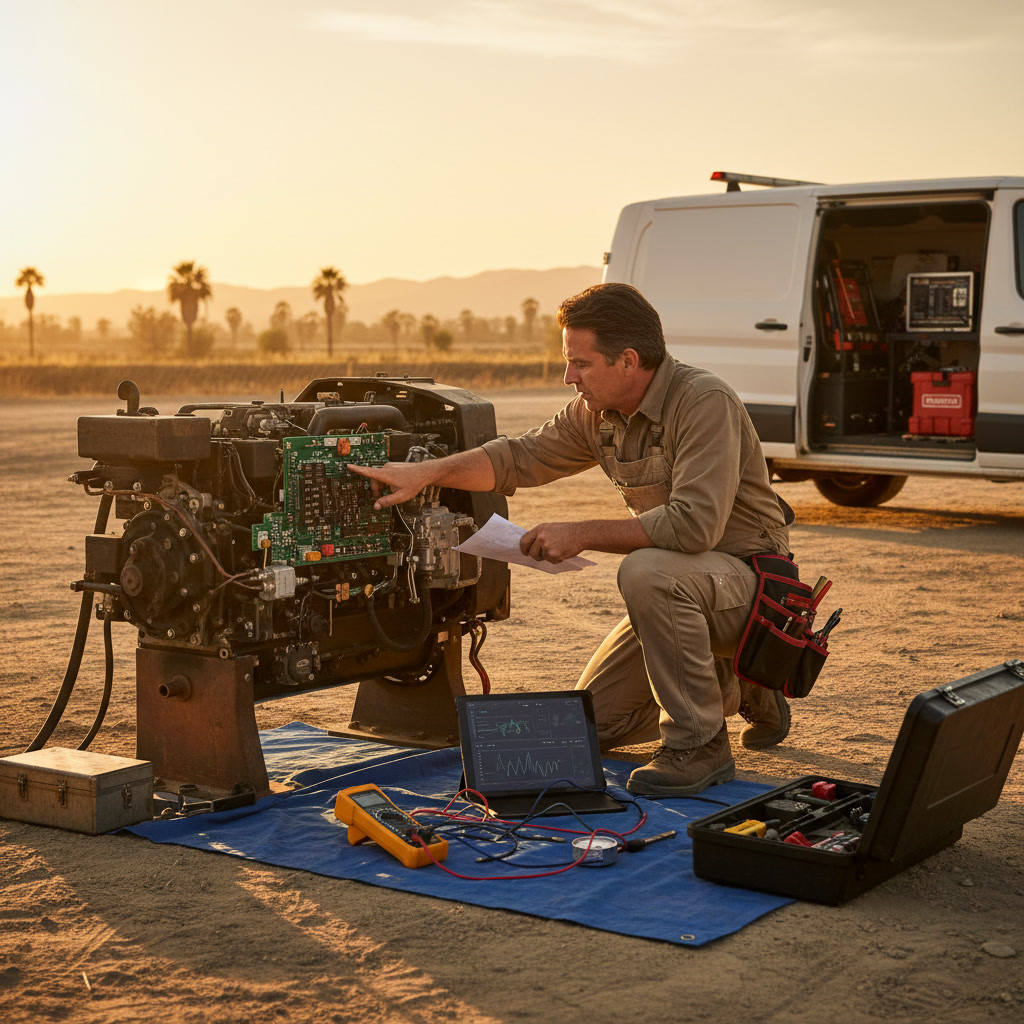
Technical skill matters, but so does responsiveness and clear communication. You need a provider who answers calls promptly, provides realistic timelines, and keeps you informed throughout the repair process.
Test the provider’s responsiveness before you have an emergency. Call with a non-urgent question and note how quickly they respond. Ask how they handle after-hours emergencies and whether you can reach a live person or must leave a voicemail.
Independent companies where the owner oversees service calls often deliver more personal attention and accountability. When the person answering the phone is also the person responsible for quality, communication tends to be clearer and issues get resolved faster.
Look for providers who explain the problem in plain language and offer options rather than simply dictating a course of action. A good technician educates you about the failure, discusses repair versus replacement trade-offs, and helps you make informed decisions.
Reviews, References, and Reputation
Online reviews and word-of-mouth referrals provide insight into a provider’s reliability and service quality. Check Google reviews, Yelp, and industry forums for feedback from other equipment owners and facility managers.
Pay attention to patterns in reviews. Occasional complaints are normal, but recurring issues with missed appointments, incomplete repairs, or billing disputes should raise red flags.
Ask the provider for references from customers with similar equipment and service needs. A quick call to a reference can reveal how the provider handles challenges, manages scheduling, and follows up after repairs.
Local industry associations and equipment rental companies can also offer referrals. Companies that maintain large fleets of aerial lifts and material handling equipment rely on skilled mobile repair providers and know who delivers consistent results.
Choosing a Provider for Your Business
Once you have evaluated qualifications, response time, service range, parts access, safety standards, and customer service, narrow your options to two or three providers and reach out to discuss your specific equipment service needs.
Consider not just technical capabilities but also the overall approach each provider takes to service. The best value comes from a provider who balances quality parts, skilled labor, and reliable follow-through.
Establish a relationship before an emergency strikes. Schedule a routine maintenance visit or a non-critical repair to evaluate the provider’s work quality and professionalism. Building rapport with a trusted technician pays dividends when you face urgent downtime.
Frequently Asked Questions
What factors affect mobile equipment repair timelines?
Repair timelines depend on the type of equipment, the nature of the failure, and parts availability. Simple repairs such as hydraulic hose replacement may be completed in a few hours, while major component failures like motor or pump replacement can take longer depending on parts procurement and the complexity of the work.
How quickly can a mobile technician respond to an emergency repair call?
Response times depend on technician availability and your location. Many mobile equipment repair providers in Southern California offer same-day or next-day service for emergencies. Some can arrive within two to four hours if a technician is nearby and the schedule permits. Always ask about typical response windows when evaluating providers.
What are the advantages of mobile service over shop-based repairs?
Mobile service eliminates transport fees and reduces downtime significantly. You save on towing, equipment rental, and lost productivity. For large or immobile equipment, mobile repair is often the only practical option. The convenience of on-site service means your equipment can be back in operation faster.
Can mobile technicians perform annual inspections and certifications?
Yes, qualified mobile technicians can perform ANSI and OSHA-required inspections on aerial lifts, scissor lifts, boom lifts, and other equipment. They should provide detailed inspection reports and certification stickers documenting compliance. This service is essential for maintaining safety standards and passing regulatory audits.
What should I do if my equipment breaks down outside normal business hours?
Ask potential providers about their after-hours and weekend availability. Some companies offer 24/7 emergency service, while others operate only during standard business hours. Keep contact information for your chosen provider readily accessible so you can reach them quickly when problems occur.
Get Reliable Mobile Equipment Repair in Southern California
Choosing the right mobile equipment repair service protects your investment, minimizes downtime, and keeps your operations running smoothly. Prioritize providers with manufacturer training, broad service capabilities, fast response times, and a track record of quality work.
K&S Equipment Services Corp offers expert on-site field service and repairs for aerial lifts, scissor lifts, boom lifts, man lifts, telehandlers, and industrial electric carts throughout Southern California and Central California. As an independent company with owner-supervised service calls, we deliver personalized attention and accountability on every job.
If you need reliable mobile equipment repair, call +15622925718 to discuss your service needs and schedule an appointment. Our dedicated mobile technicians bring the expertise and parts inventory to get your equipment back in service fast.