

A golf cart overheating is more than a minor inconvenience. When motors run too hot, they can cause immediate shutdowns, permanent damage to electrical components, and costly downtime. The good news is that many overheating issues stem from simple, preventable causes that you can inspect yourself. However, knowing when to escalate to a qualified technician prevents further damage and keeps your fleet running safely.
Why Electric Golf Carts Overheat
Electric golf cart motors generate heat during normal operation, but excessive heat signals a problem. The motor, controller, and battery pack all produce thermal energy. When ventilation fails, components work too hard, or electrical resistance increases, temperatures climb beyond safe operating ranges. Unlike gas engines with radiators and coolant, electric carts rely on airflow, proper wiring, and balanced loads to manage heat.
Common Causes You Can Identify
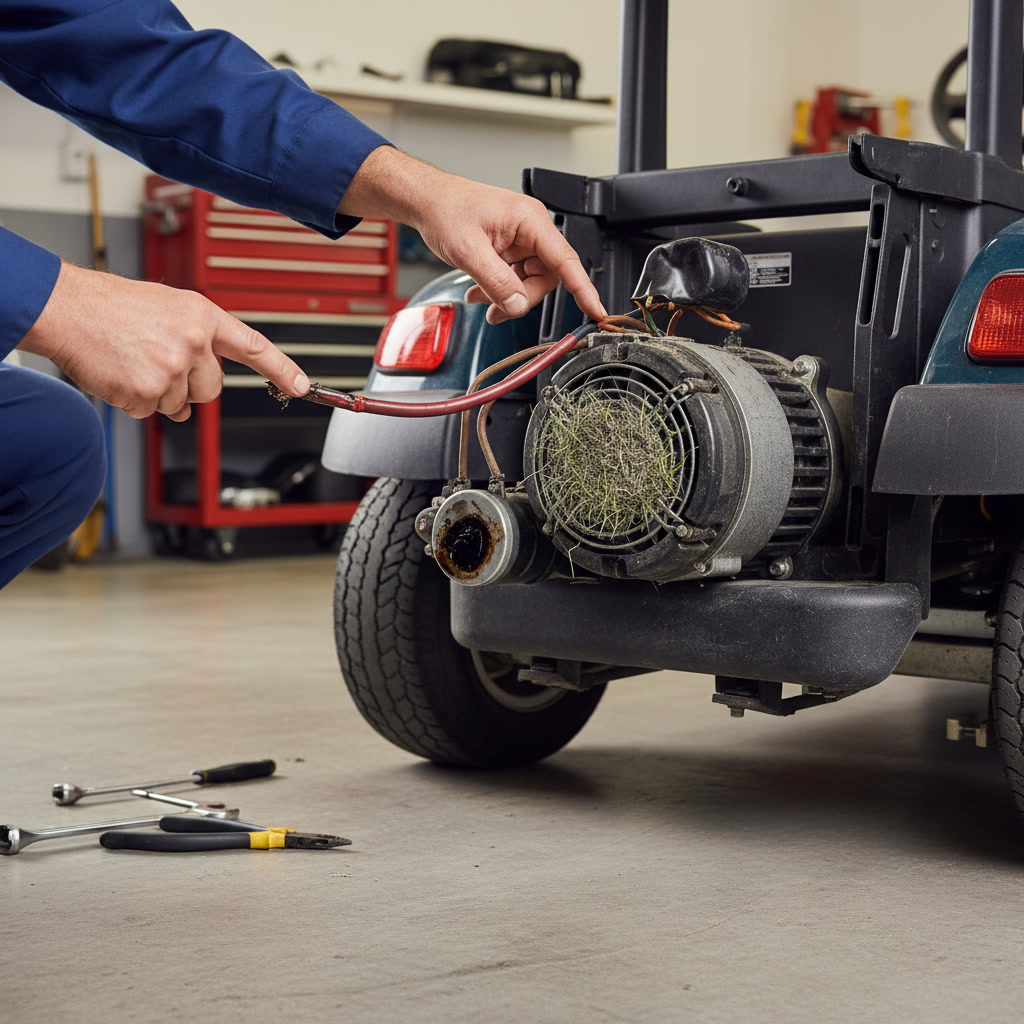
Several overheating triggers are visible during a basic inspection. Dust and debris blocking motor vents restrict airflow and trap heat inside the motor housing. Check the motor cover and cooling fins for buildup, especially if the cart operates in dusty warehouses or outdoor environments. Corroded battery terminals create resistance that forces the motor to draw more current, generating excess heat. Look for white or green deposits on battery posts and cable connections.
Underinflated or damaged tires increase rolling resistance. When the motor works harder to move the same load, it runs hotter. Inspect tire pressure weekly and look for uneven wear patterns that signal alignment problems. Overloading the cart beyond its rated capacity stresses the motor and controller. If your operation routinely exceeds manufacturer weight limits, the motor will overheat even when all other components function correctly.
Quick Checks You Can Perform
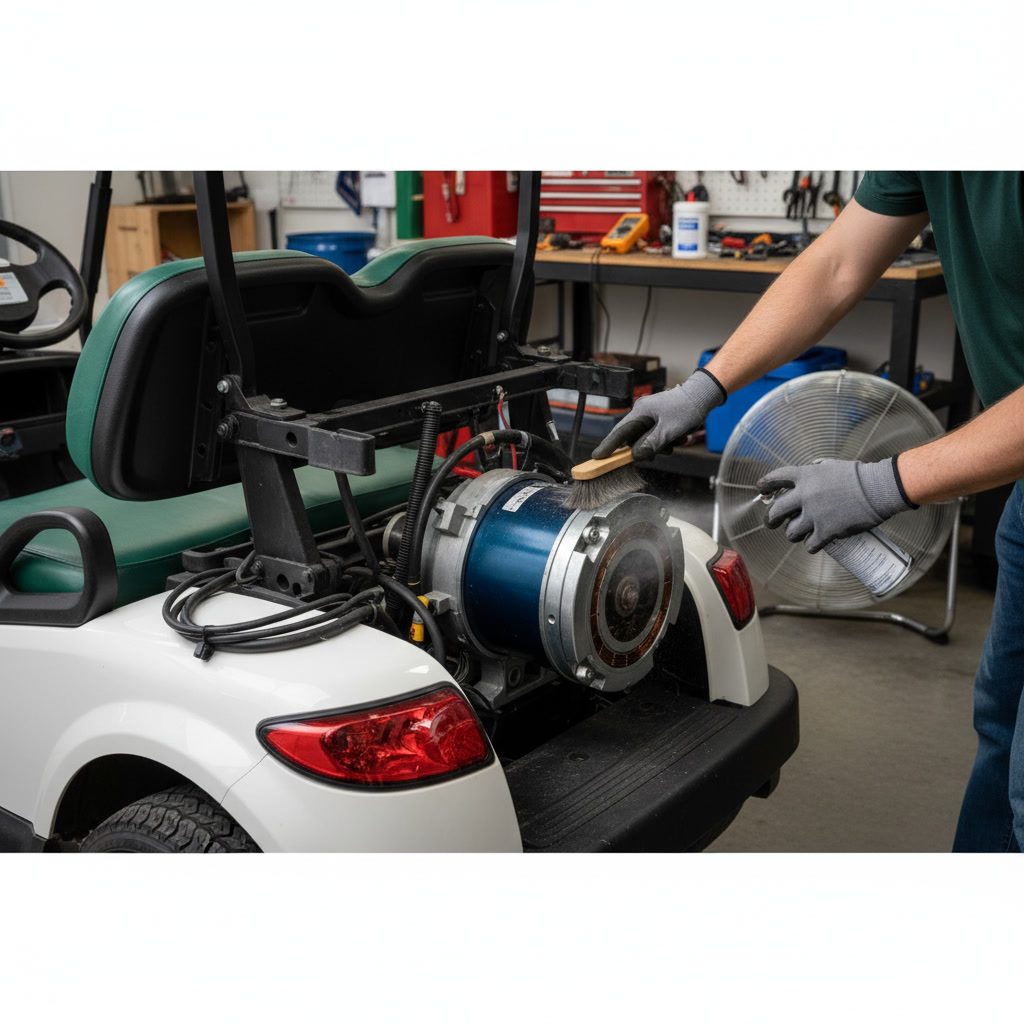
Start with a visual inspection of the motor housing. Remove any debris blocking the vents and cooling fins. Use compressed air to blow out accumulated dust, but avoid high pressure directly on electrical components. Check battery water levels if you operate flooded lead-acid batteries. Low electrolyte levels increase internal resistance and heat generation during discharge.
Inspect all visible wiring for frayed insulation, loose connections, or signs of melting. Pay special attention to the main power cables running from the battery pack to the controller and motor. Wiggle connectors gently to confirm they seat firmly. Look under the cart for anything dragging or rubbing against moving parts, which increases mechanical resistance.
When a Thermal Shutdown Happens
Most modern electric cart motors include thermal protection that cuts power when internal temperature exceeds safe limits. If your cart suddenly loses power after extended use or hill climbing, a thermal shutdown likely occurred. Allow the motor to cool for at least 30 minutes before attempting to restart. Repeated thermal shutdowns indicate an underlying problem that requires diagnosis.
Do not bypass or disable thermal protection devices. These safety features prevent permanent motor damage and potential fire hazards. If shutdowns happen frequently during normal use, the issue lies with the cart’s configuration, load, or component condition, not the safety system.
Electrical System Issues That Require Professional Diagnosis
Some overheating causes require test equipment and expertise to identify. Controller problems often manifest as excess heat without obvious external signs. The controller regulates current flow to the motor, and internal component failures can create inefficient operation that generates heat in both the controller and motor. Field service technicians use specialized meters to test controller output and diagnose internal faults.
Motor bearing wear increases friction and heat but may not produce obvious noise in early stages. A technician can measure bearing play and motor shaft runout to determine if replacement is needed. Winding insulation breakdown inside the motor creates short circuits that dramatically increase current draw and heat. This diagnosis requires resistance testing and often thermal imaging to locate hot spots.
Battery Pack Health and Heat Generation
Battery condition directly affects motor temperature. Weak or imbalanced batteries force the motor to work harder to maintain speed and torque. A technician can perform capacity testing and individual cell voltage measurements to identify failing batteries. Mismatched batteries in a pack create uneven discharge rates and increased heat.
Charging system problems also contribute to overheating. Overcharged batteries generate excessive heat during use, while undercharged batteries struggle to deliver required current. Proper charge profiles vary by battery chemistry. If your facility recently switched battery types without updating charger settings, heat problems often follow.
The Risk of Continued Operation
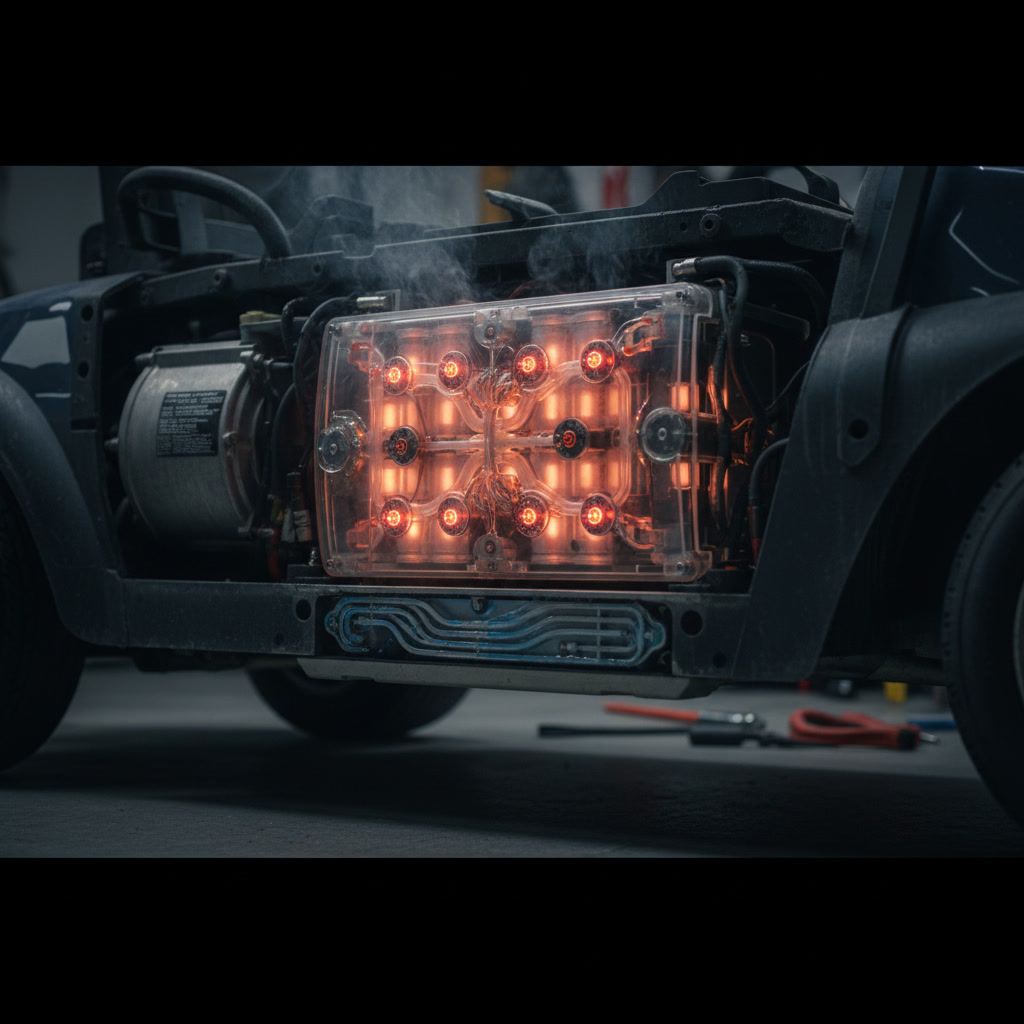
Running an overheating cart until it fails causes exponential damage. Heat accelerates insulation degradation in motor windings. Each overheat cycle shortens component life even if thermal protection prevents immediate failure. Controller semiconductors have finite thermal cycles before failure. Battery plates warp and shed active material when repeatedly overheated, permanently reducing capacity.
What starts as a simple ventilation blockage can cascade into motor replacement if ignored. A $50 cleaning and inspection prevents a multi-thousand dollar component failure. The math strongly favors early intervention.
Field Service Advantages for Industrial Electric Carts in Southern California
Transporting a disabled cart to a repair shop creates logistical challenges and extends downtime. On site field service brings diagnostic equipment and expertise to your location. Technicians can evaluate the cart in its actual operating environment, which often reveals contributing factors like excessive grades, poor flooring, or improper charging station placement.
For facilities running multiple carts, field service allows technicians to compare units and identify systemic issues. If three carts from the same purchase batch all show similar overheating patterns, the problem likely stems from a design limitation or configuration error affecting the entire group. A single shop visit would not reveal this pattern.
Preventive Maintenance That Reduces Overheating
Scheduled inspections catch problems before they cause shutdowns. Monthly checks should include cleaning motor vents, inspecting electrical connections, verifying tire pressure, and testing battery specific gravity or voltage balance. Quarterly deep inspections by qualified technicians identify wear patterns and component degradation that operators miss.
Keep a log of operating hours, charge cycles, and any unusual behavior. Patterns emerge over time that help technicians diagnose intermittent problems. If overheating always occurs after the cart sits unused for several days, battery self-discharge or charger problems may be the cause. If heat correlates with specific operators or routes, load or driving habits need evaluation.
Choosing the Right Repair Partner
Not all repair services have experience with industrial electric carts and golf carts used in commercial settings. These vehicles operate under different duty cycles than recreational units. A technician familiar only with residential golf carts may not recognize the stress patterns and failure modes common in warehouse or facility applications.
Look for services that understand the specific demands of your operation. The same diagnostic approach used for equipment repairs on aerial lifts and material handling equipment applies to industrial carts. Understanding load dynamics, duty cycles, and environmental factors separates basic repair from comprehensive diagnosis.
Keeping Your Fleet Running Efficiently
Golf cart motor temperature problems rarely resolve themselves. Simple issues like blocked vents and dirty connections respond to basic maintenance, but electrical system faults require professional diagnosis. The key is recognizing which category your situation falls into before minor heat becomes major damage.
Regular inspection, prompt response to warning signs, and partnership with qualified technicians keep carts operating safely and efficiently. When thermal shutdowns occur despite your best maintenance efforts, the problem has moved beyond operator-level fixes.
Kns Equipment Services Corp provides expert diagnosis and repair for industrial electric carts throughout Southern California. Our field service model brings the diagnostic capability directly to your facility, minimizing downtime and identifying environmental factors that contribute to overheating. When your fleet needs more than basic maintenance, reach out to discuss your specific situation at +15622925718.


