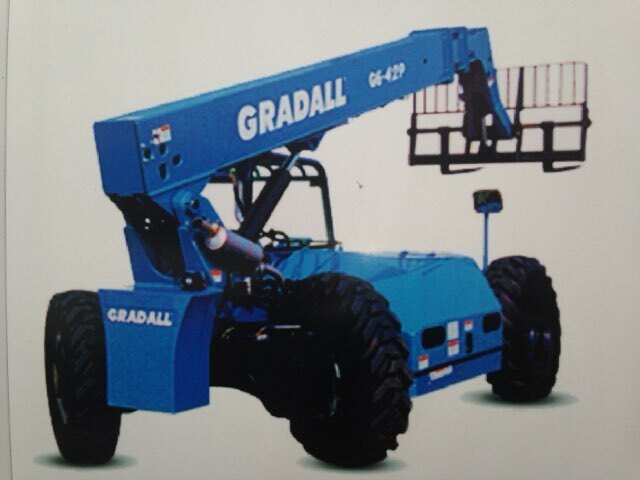
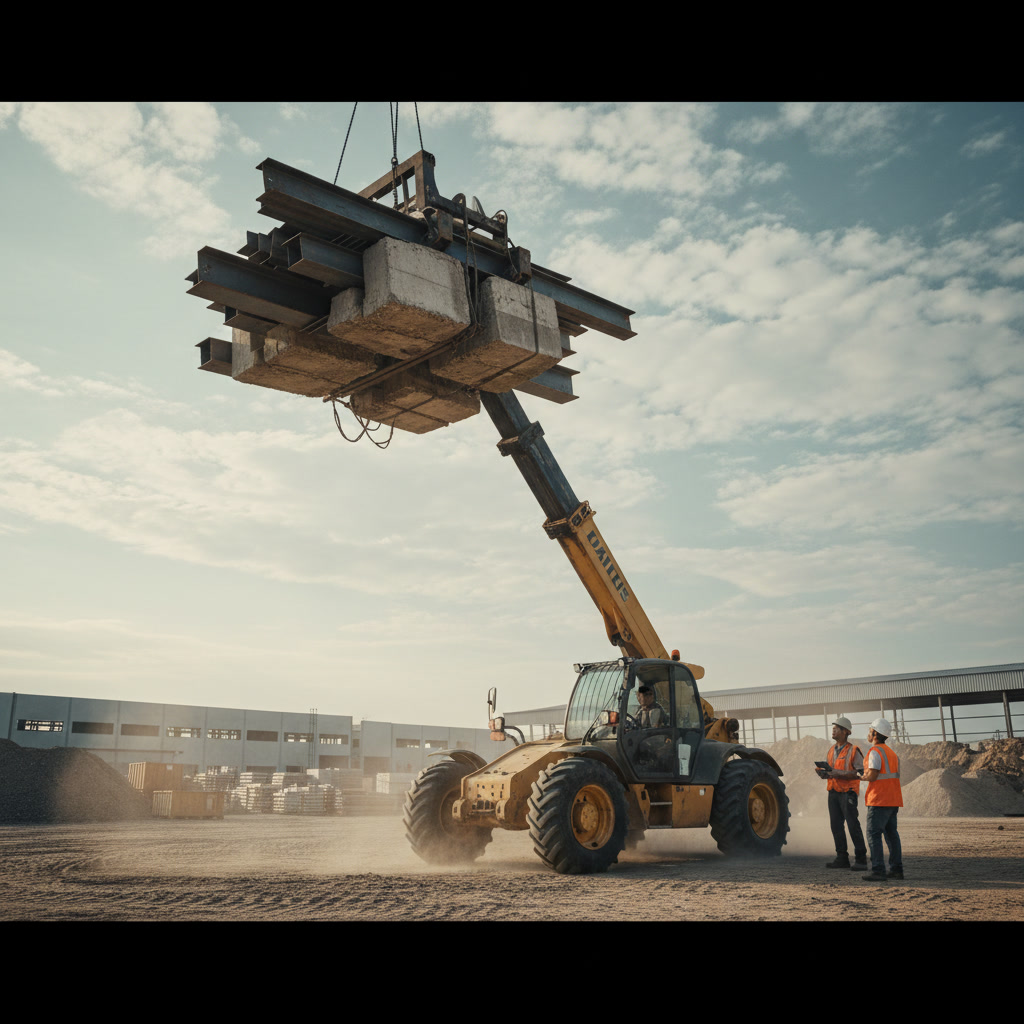
Understanding telehandler load capacity is fundamental to protecting operators, preventing equipment damage, and maintaining workplace safety. Every telehandler is engineered with precise weight limits that, when exceeded, compromise structural integrity and accelerate wear on hydraulic systems, chassis components, and tires. Staying within rated capacity extends machine lifespan while reducing the risk of catastrophic failures during operation.
Why Manufacturers Set Specific Weight Limits
Engineers determine load limits based on extensive testing of structural components, hydraulic pressure tolerances, and stability calculations. These ratings account for boom extension, lift height, and load position relative to the machine’s center of gravity. A telehandler rated for 6,000 pounds at minimum reach might only safely handle 3,000 pounds when the boom is fully extended, because leverage multiplies stress on the chassis and tipping forces.
Load charts affixed to every machine display these graduated limits. Operators must consult them before each lift to verify that current boom angle and extension fall within safe parameters for the intended load weight.
The Physics Behind Stability and Tipping Risk
Telehandlers operate on a fulcrum principle. As the boom extends forward and upward, the machine’s center of gravity shifts toward the front axle. When load weight exceeds the counterbalance provided by the chassis and rear-mounted engine, the rear wheels lift off the ground. This tipping scenario is responsible for numerous jobsite injuries and fatalities each year.
Uneven terrain amplifies this risk. A load that remains stable on flat concrete may cause tipping on a 5-degree slope. Operators working in Southern California construction sites often encounter graded lots and hillside projects where vigilance about capacity becomes even more critical.
How Overloading Damages Hydraulic Systems
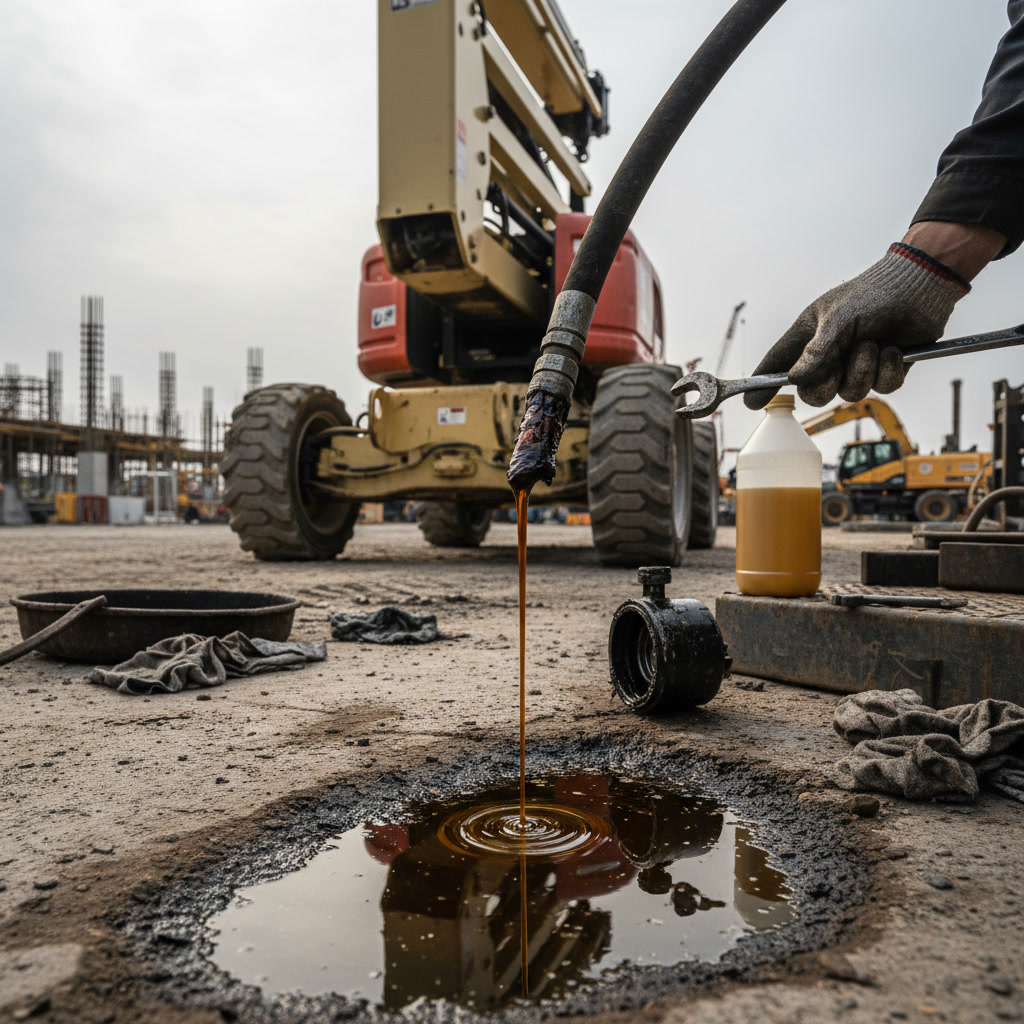
Hydraulic cylinders, hoses, and pumps are sized for specific pressure ranges. Lifting excessive weight forces the hydraulic pump to generate pressures beyond design limits, causing seals to fail, hoses to rupture, and cylinder rods to bend. These failures often occur suddenly during operation, creating dangerous drop scenarios.
Chronic overloading degrades hydraulic fluid faster by generating excessive heat. Temperatures above 180 degrees Fahrenheit break down oil additives, reducing lubrication quality and allowing metal-on-metal wear inside cylinders and valves. This accelerated deterioration shortens component life and increases the frequency of equipment repairs.
Structural Stress Points in the Chassis and Boom
The boom assembly experiences the highest stress during lifting operations. Welds connecting boom sections, pivot points, and mounting brackets all carry calculated loads. Exceeding these calculations introduces microscopic cracks in welds that propagate over time, eventually leading to catastrophic structural failure.
The chassis frame beneath the operator cab and around the axles also bears tremendous stress. Repeated overloading causes metal fatigue in these areas, manifesting as frame cracks that require costly welding repairs or complete frame replacement. Inspection of these stress points should be part of routine maintenance, particularly for machines with heavy operational histories.
Tire Wear Patterns That Signal Capacity Problems
Tires reveal overloading through specific wear patterns. Center tread wear indicates chronic overinflation, often done mistakenly to compensate for heavy loads. Sidewall cracking and bulging signal that tire construction is failing under excessive weight. Edge wear on front tires suggests the machine frequently operates near or beyond its forward stability limit.
Proper tire pressure varies with load. Most manufacturers specify different pressures for loaded versus unloaded operation. Maintaining correct pressure for actual working conditions extends tire life and maintains the stability characteristics engineers designed into the machine.
Transmission and Drivetrain Consequences
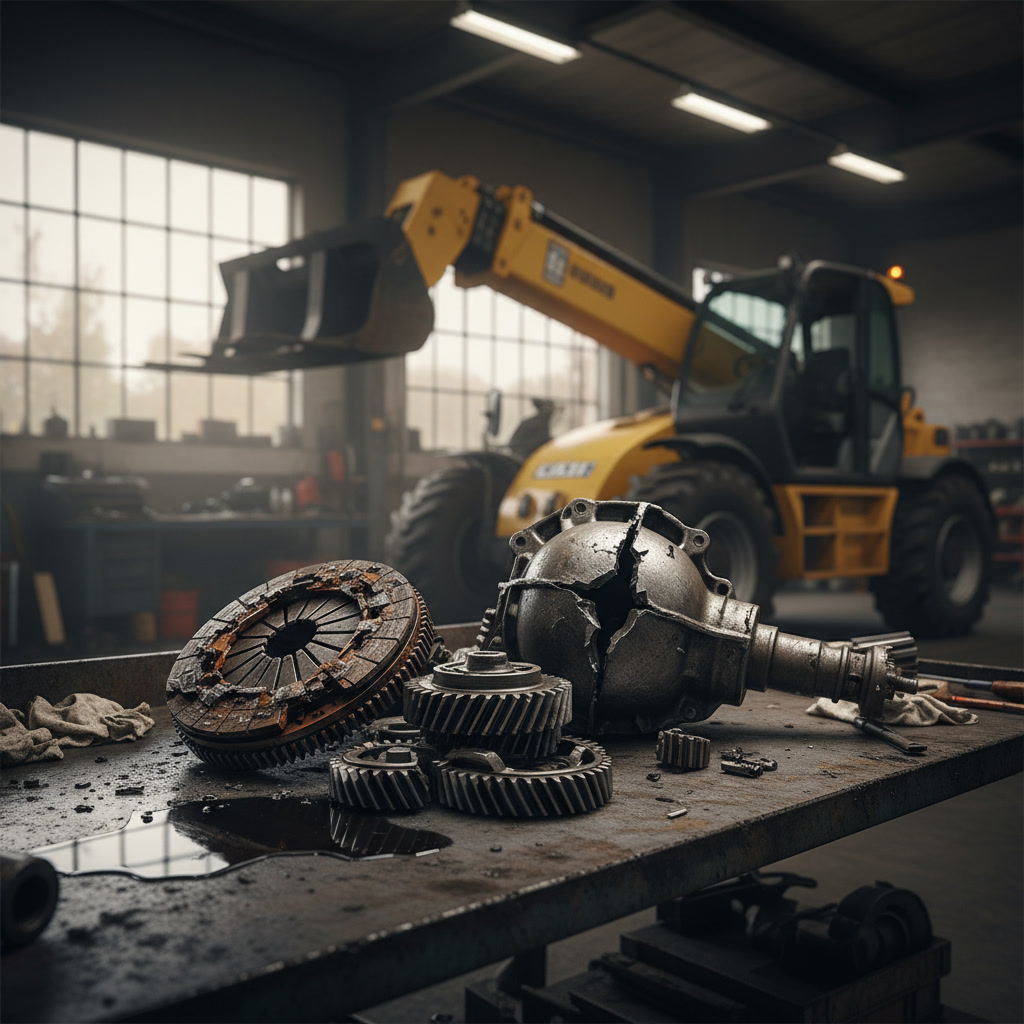
Moving heavy loads stresses the transmission, differential, and axle assemblies. Transmissions designed for specific torque ranges experience clutch slippage and gear wear when loads exceed design parameters. The additional heat generated during overloaded operation breaks down transmission fluid, reducing its protective qualities.
Differential gears face similar problems. The spider gears that allow wheels to turn at different speeds during cornering are precisely hardened for expected loads. Excessive weight causes premature wear on gear teeth, eventually requiring differential rebuilds that involve significant downtime and expense.
Five Critical Components That Fail First Under Overload
Certain components consistently fail first when operators exceed rated capacity. Hydraulic cylinder seals top this list, as they experience direct pressure spikes during overloaded lifts. Boom pivot pins and bushings rank second, wearing rapidly under the increased friction and stress of heavy loads.
Third are tire sidewalls, which flex excessively under weight they were not designed to carry. Fourth, chassis welds crack at stress concentration points. Fifth, steering linkage components including tie rod ends and ball joints wear out faster because the increased weight magnifies steering forces and road shock transmission.
Recognizing early warning signs in these components allows for intervention before complete failure. Slow hydraulic operation, unusual noises from pivot points, visible tire damage, frame cracks, or loose steering feel all warrant immediate inspection by qualified technicians.
How Environment and Terrain Modify Effective Capacity
Published load charts assume operation on firm, level ground. Real-world conditions rarely match these ideal parameters. Soft soil reduces stability by allowing tires to sink unevenly, effectively lowering safe capacity. Slopes decrease capacity on the downhill side because gravity adds to tipping forces.
Wind loading on large or high-surface-area loads acts as an additional invisible weight. A load of wall panels that weighs 4,000 pounds might exert the tipping force of a 5,500-pound load in 25-mile-per-hour crosswinds. Operators must reduce working capacity when environmental factors compromise stability.
The Cost Impact of Capacity Violations
Operating beyond rated limits generates costs that extend far beyond immediate repair bills. Shortened component life increases the frequency of maintenance intervals and parts replacement. Unexpected breakdowns disrupt project schedules, causing contractor penalties and lost productivity.
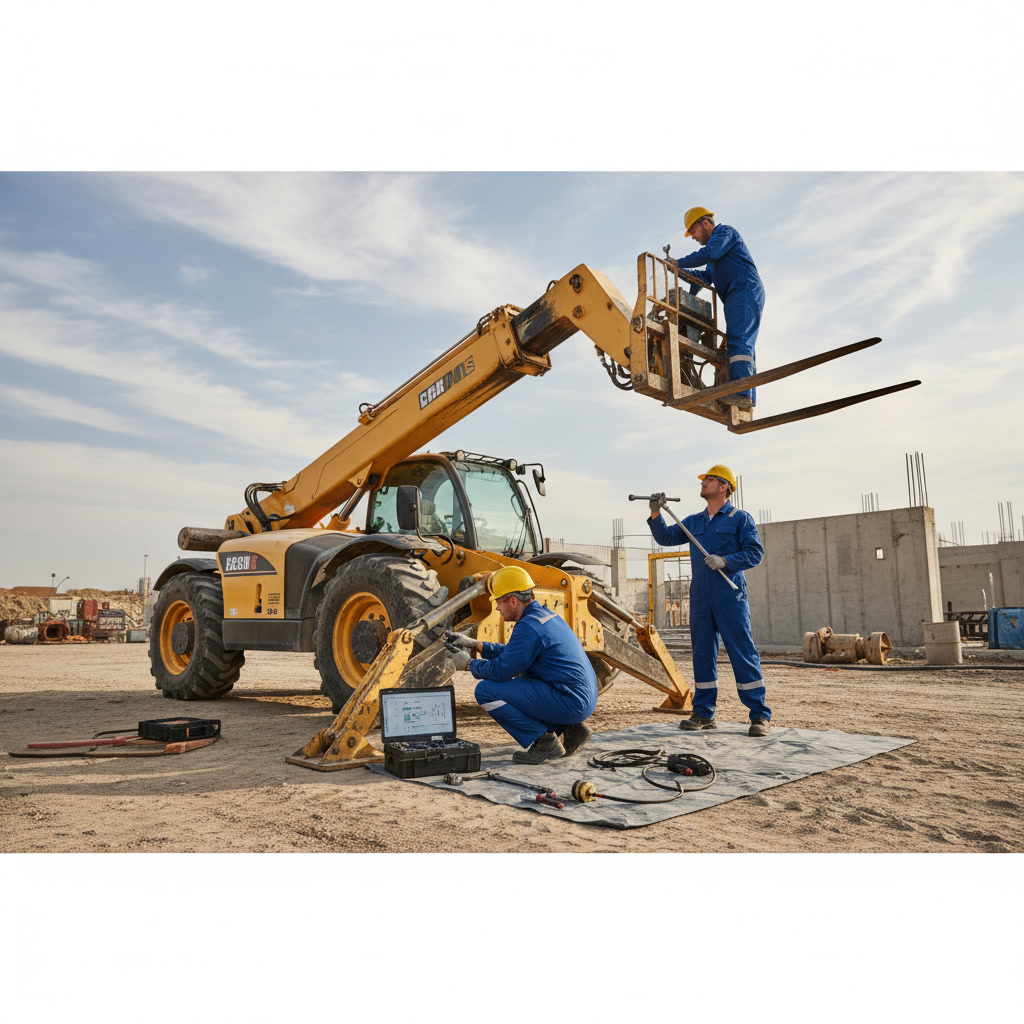
Insurance implications deserve consideration as well. Accidents involving overloaded equipment often face scrutiny regarding operator training and company safety protocols. Establishing and enforcing capacity limits protects both personnel and the business from liability exposure. Many operators benefit from understanding what happens during on site equipment repair visits to recognize when damage stems from capacity violations.
Monitoring Systems and Load Indicators
Modern telehandlers often include load moment indicators that alert operators when they approach or exceed safe limits. These systems use pressure sensors and boom angle measurements to calculate real-time load stress. Audible and visual warnings provide immediate feedback before dangerous conditions develop.
Older machines lack these electronic safeguards, placing greater responsibility on operator judgment and adherence to load charts. Retrofitting load monitoring systems to older telehandlers offers valuable safety improvements and may reduce insurance premiums.
Protecting Your Investment Through Proper Use
Respecting capacity limits represents one of the most effective ways to protect equipment value and ensure operator safety. Training programs should emphasize load chart interpretation and the physical principles that govern stability. Regular reinforcement prevents complacency from developing among experienced operators who may feel confident pushing limits.
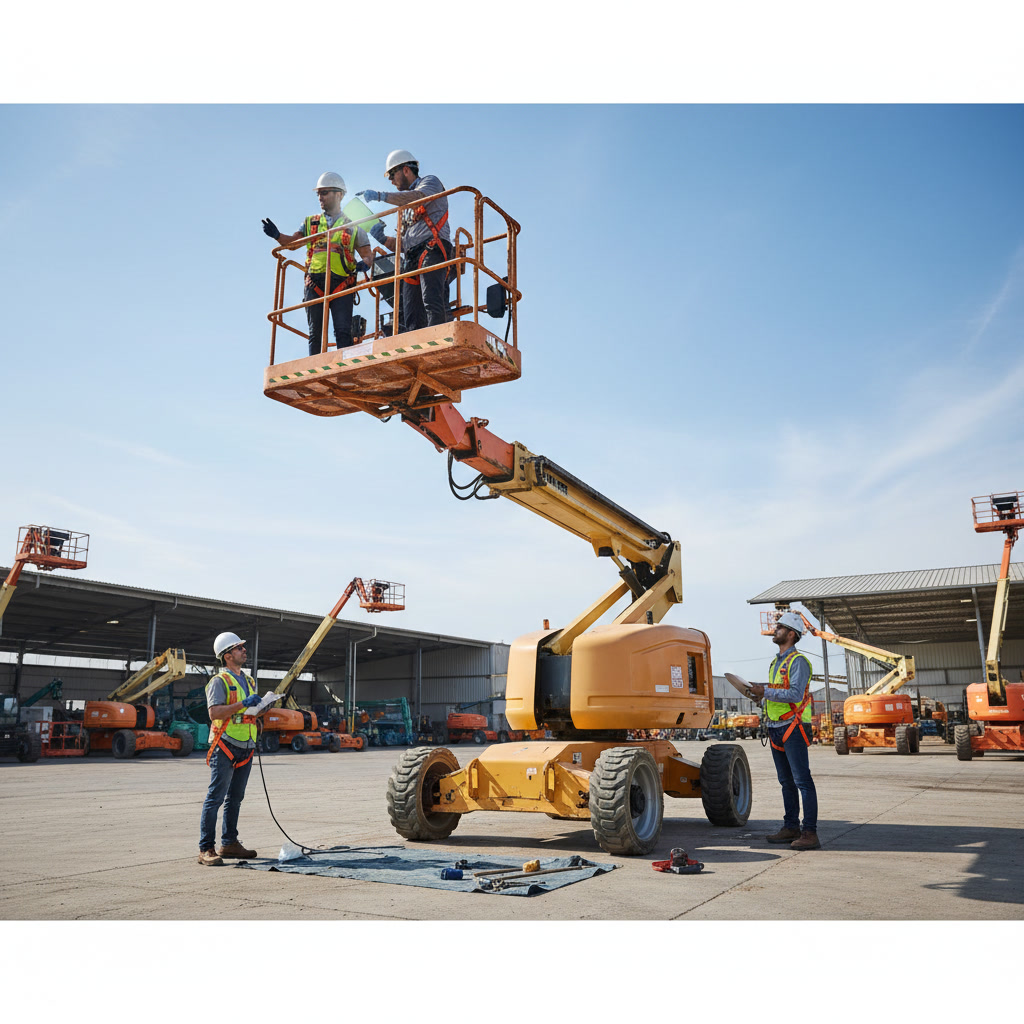
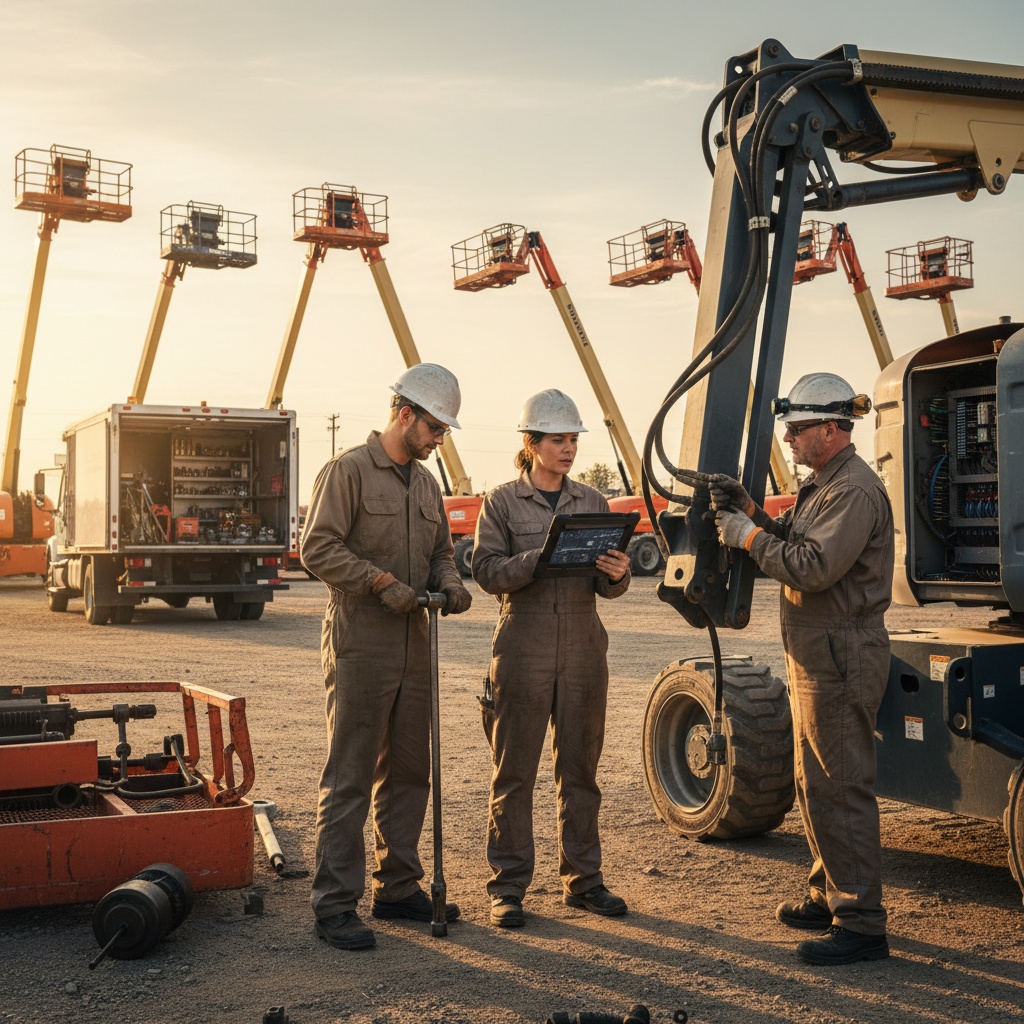
Scheduled inspections by qualified technicians identify wear patterns before they cause failures. Hydraulic system checks, structural inspections, and tire assessments should occur at intervals recommended by the manufacturer. Kns Equipment Services Corp provides comprehensive on site field service and repairs that keep machines operating safely within their design parameters.
Maintaining Safe Operations Across Your Fleet
Telehandler load capacity directly determines both safety margins and equipment longevity. Exceeding rated limits initiates a cascade of mechanical problems that shorten service life, increase repair costs, and create hazardous working conditions. The five-minute investment required to verify load weight and consult the capacity chart prevents hours of downtime and protects the substantial capital invested in each machine.
Operators who understand the engineering principles behind capacity ratings make better decisions in dynamic jobsite conditions. Regular maintenance catches the early signs of stress before they develop into expensive failures or dangerous situations.
When your equipment needs expert attention or you want to establish a preventive maintenance program that extends machine life, Kns Equipment Services Corp brings factory-trained expertise directly to your location. Our technicians understand the relationship between operating practices and component wear, helping you maximize return on your equipment investment while maintaining the highest safety standards. Reach out at +15622925718 to schedule service or discuss how proper maintenance protects your operation.